Mastering the Mix of High and Low
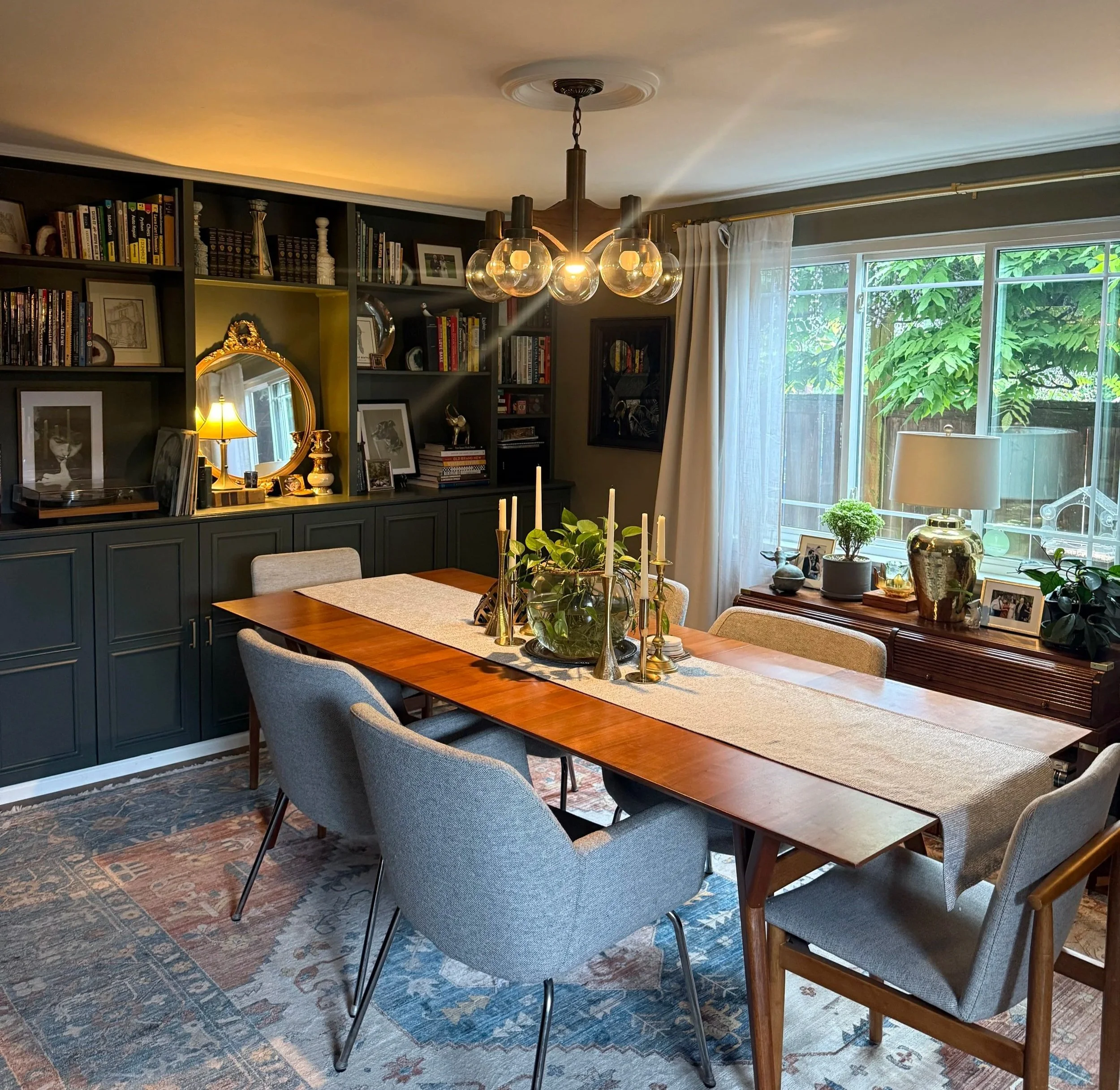
If you've ever fallen down a Pinterest rabbit hole and emerged wondering how every room seems to contain a $4,000 vintage chair sitting casually next to a $29 lamp, you are not alone. You've discovered one of interior design's least-secret secrets: the high-low mix.
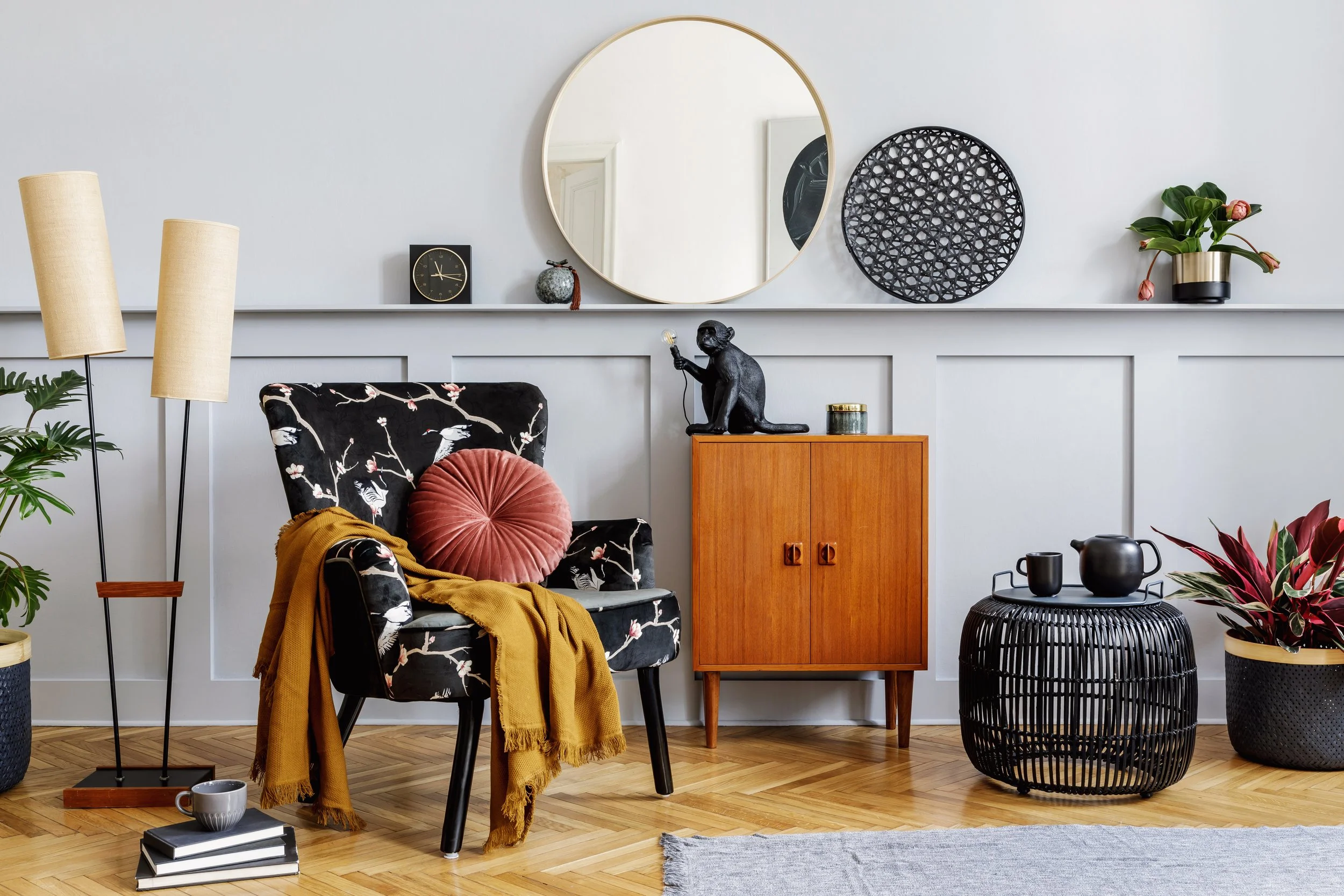
The truth is, the most interesting homes aren't filled exclusively with luxury pieces. They're a thoughtful blend of investment-worthy furnishings, budget-friendly finds, vintage treasures, and unexpected gems that speak you. It's the design equivalent of pairing designer jeans with your favorite old concert tee, a classic for a reason.
And honestly? That's where the magic happens.
A room filled entirely with expensive furniture can feel a little too polished. A room filled entirely with budget pieces can sometimes lack depth. But mix the two together thoughtfully, and suddenly your home feels layered, personal, and uniquely yours.
So let's talk about how to pull off the high-low look without your space feeling confused, chaotic, or like your furniture was selected during a blindfolded shopping spree.
When to Splurge
Not every item in your home deserves the same budget. One of the biggest mistakes I see folks make is not prioritizing their budget for the pieces that matter. Some pieces work harder than others and that is where you want to put your budget.
Generally speaking, these are the areas I would recommend where it makes sense to invest:
Upholstered furniture
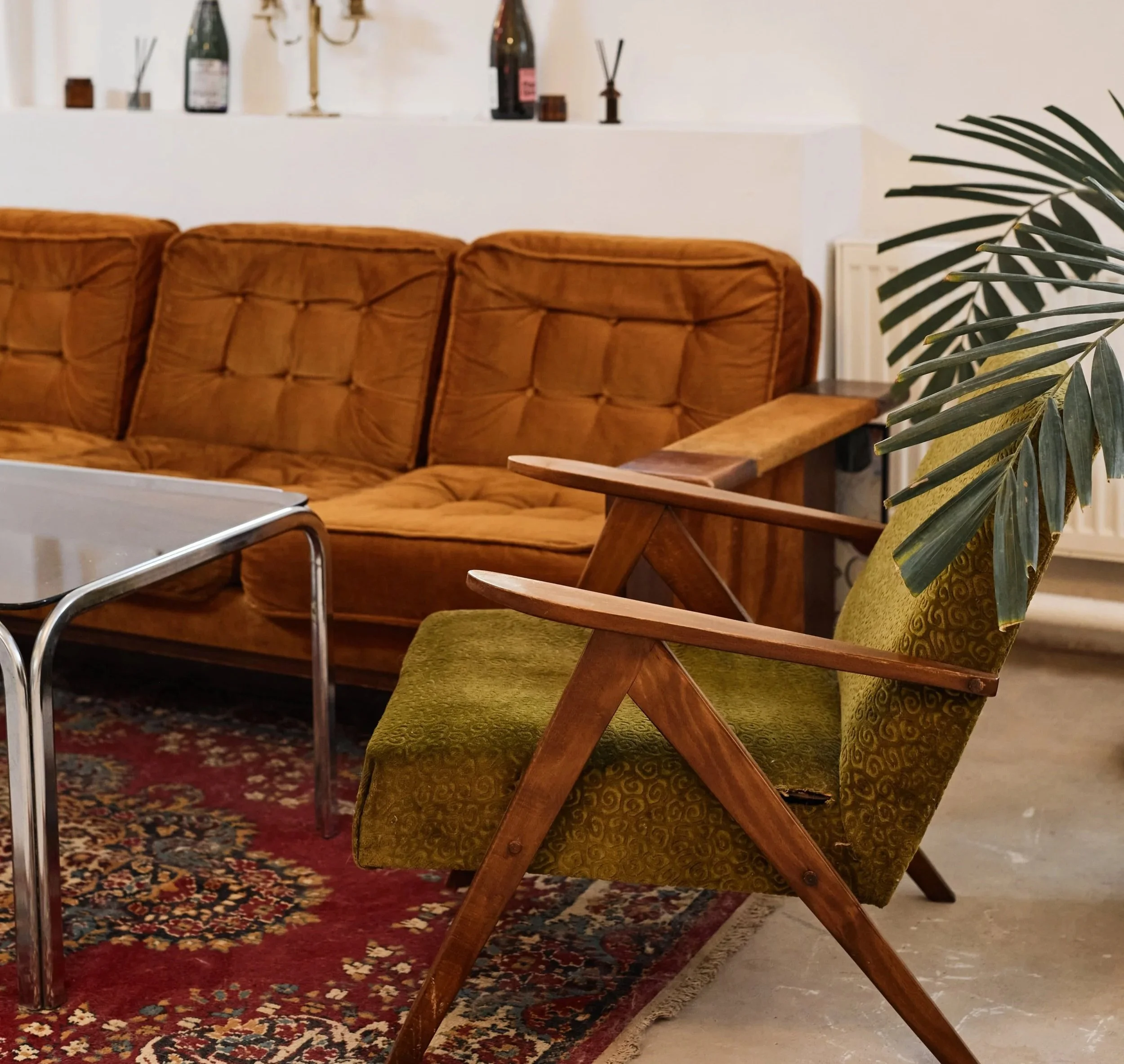
Your sofa, primary lounge chairs, and dining chairs take a beating EVERY DAY. Quality construction, durable fabrics, and better cushions typically pay off in comfort and longevity. You’ll thank yourself when you can still sit on it in 5 years instead of falling apart.
Nobody has ever sat down on a sagging sofa and thought, "What a wise financial decision."
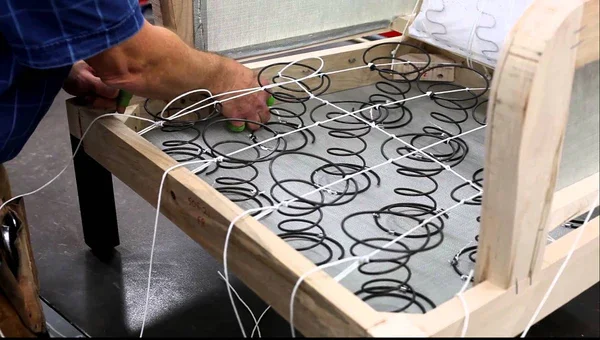
There’s a reason furnishings constructed using eight-way hand tied methods still dominate the high-end markets and tend to come with a higher price point. It’s because it’s a hallmark of heirloom-quality furniture that’s built to last for generations. It’s a difference you have to sit-to-believe.
Rugs
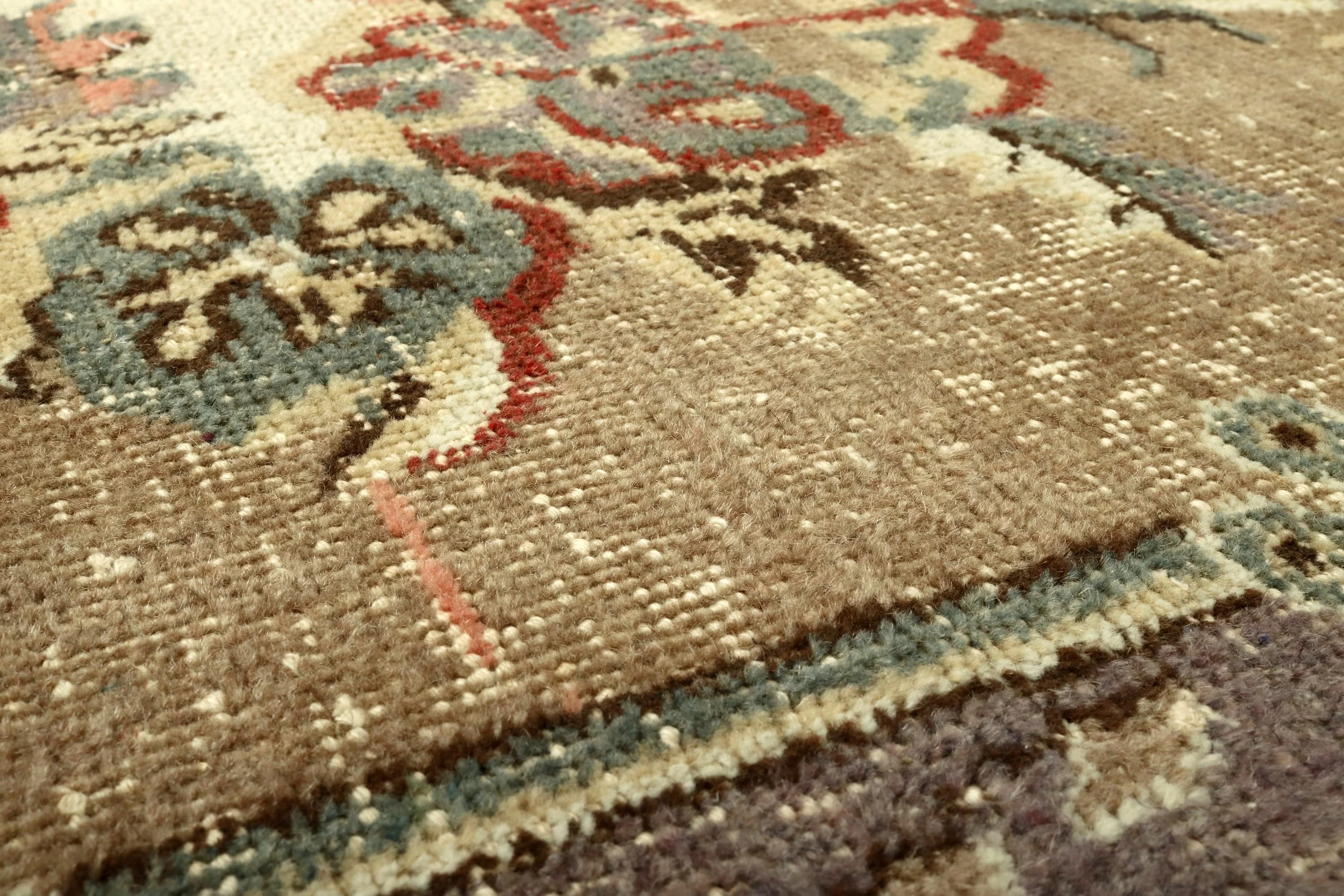
This I could see falling into both the splurge and save categories but we’ll start with “splurge”. For reference, a good quality rug grounds the entire room. It adds texture, warmth, and often becomes one of the largest visual elements in the space. A poorly sized rug or one of low quality can make even beautiful furniture look awkward and cheap.
A well-chosen rug can make a room feel intentional and elevated. Whether you’re sourcing new or second-hand for a rug, look at the materials and construction. Hand-knotted rugs are a gold-standard for durability. A close second would be hand-loomed. Be sure NOT to confuse these with “hand-tufted”, which utilizes backing and glue for construction and will decrease the longevity of your piece.
For materials, I lean towards natural fibers. I love the way they feel and the way they hold up. Prioritize wool, silk, mohair, sisal, jute, hemp. Bonus points if you can score a well-made and well-cared for high-end rug secondhand. These are pieces that can last a long time if they are maintained with care.
Statement Lighting
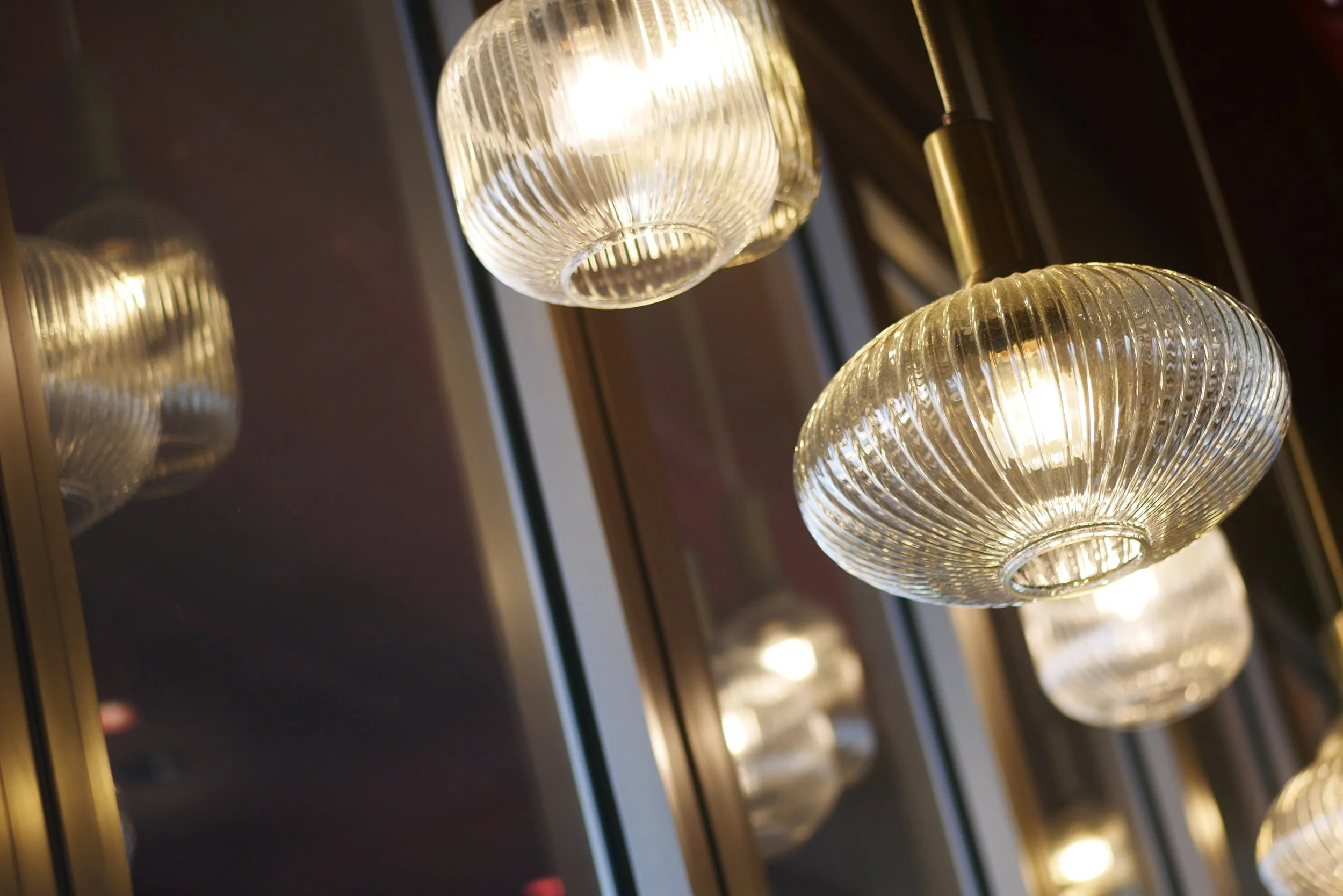
Lighting is jewelry for your home. A gorgeous pendant, chandelier, or sculptural table lamp can instantly make a room feel custom and curated.
Think of it as getting dressed. The outfit might be simple, but the accessories make it memorable.
Statement lighting serves as a focal point as soon as you walk into the room. It’s a functional feature. And don’t get it twisted, bigger isn’t necessarily better, a small and decorative lighting fixture can be just as much a statement piece as a Phantom of the Opera level chandelier.
Where to Save
Here's my favorite design secret: spending less doesn't always mean compromising.
In fact, some of the most beautiful, character-filled pieces I've used in projects for clients and in my own home cost less than dinner for two and came with a LOT more personality that their newer counterparts.
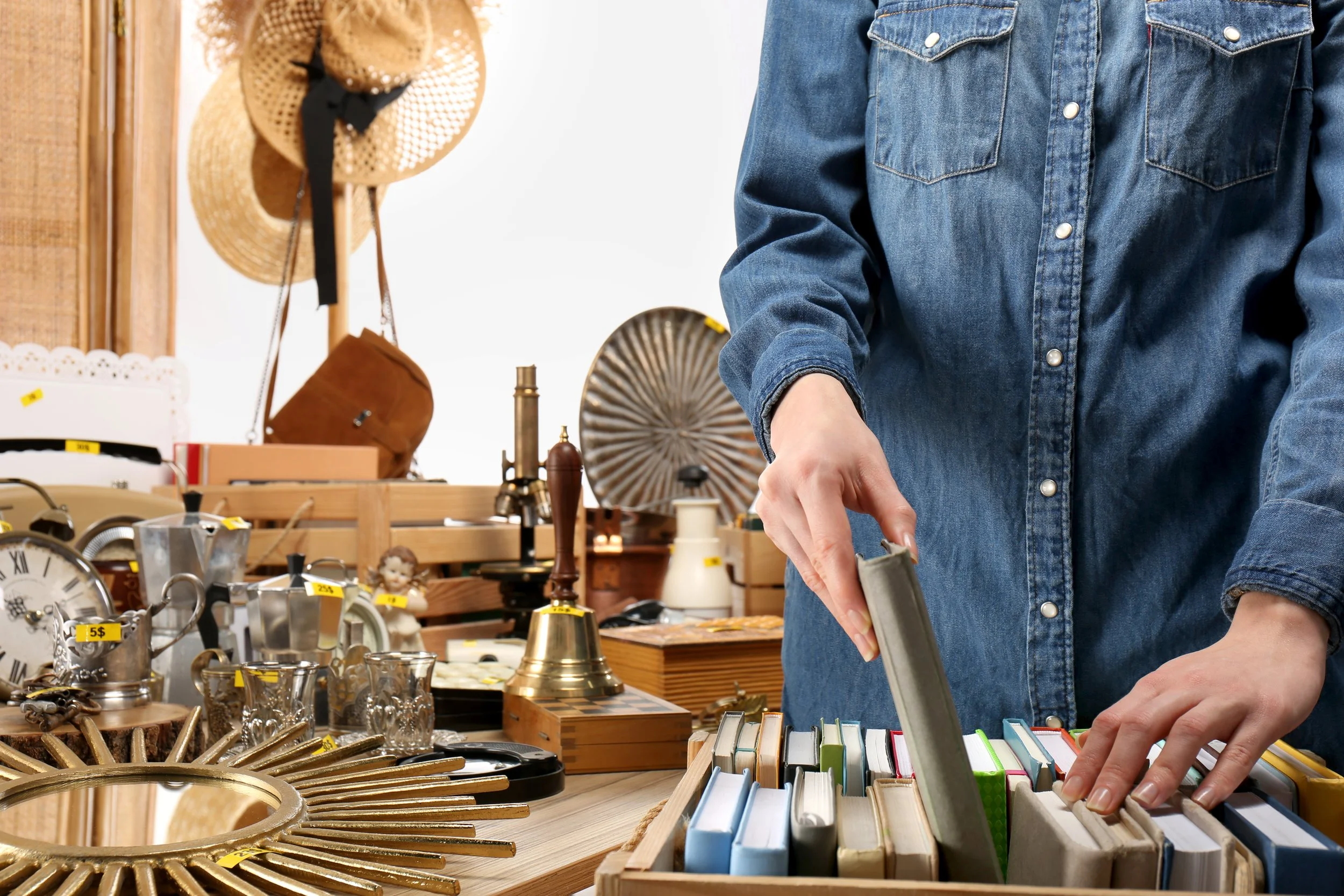
I'm a huge believer in shopping secondhand whenever possible. Not only is it a more sustainable way to furnish your home, keeping perfectly good pieces out of landfills, but it's also one of the best ways to create a home that doesn't look exactly like everyone else's. Plus the people-watching is perfection.

Let's be honest: when everyone is shopping from the same handful of retailers, homes can start to feel a little... familiar. Secondhand shopping opens up an entirely different world. You find pieces with history. Pieces with craftsmanship that would be difficult (or wildly expensive) to replicate today. Pieces that make guests ask, "Where did you find that?"
And sometimes, you stumble across something so unique you didn't even know you were looking for it until you saw it. Those are often the best finds.
My Favorite Places to Hunt for Hidden Gems
If you're new to secondhand shopping, here are a few places worth exploring:
Local thrift stores
Estate sales
Antique malls and antique stores
Consignment shops
Facebook Marketplace
Chairish
Craigslist (yes, really)
Habitat for Humanity ReStores
Local auctions
Flea markets and vintage markets
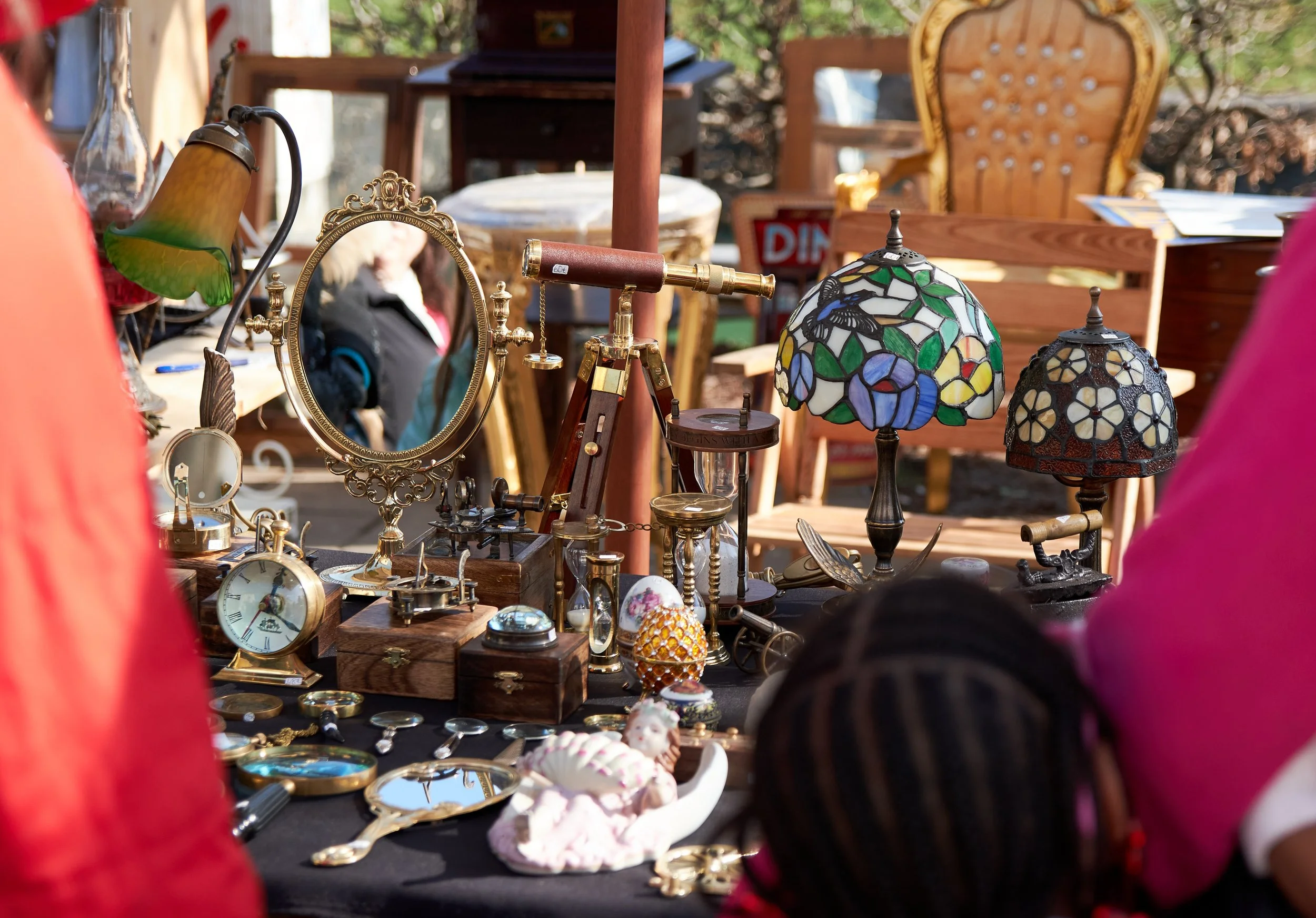
Some of my favorite project pieces have come from these sources: vintage side tables, solid wood dressers, unique lamps, artwork, mirrors, pottery, dining chairs, and one-of-a-kind accessories that instantly make a space feel more collected.
What to Buy Secondhand
My friends and clients may not think I really believe this, but it’s true that not EVERYTHING needs to be vintage. These categories are often fantastic candidates though:
Accent tables
Case goods (dressers, buffets, consoles, bookcases)
Mirrors
Artwork
Decorative accessories
Lighting
Dining tables
Vintage seating that can be reupholstered
Trendy Items
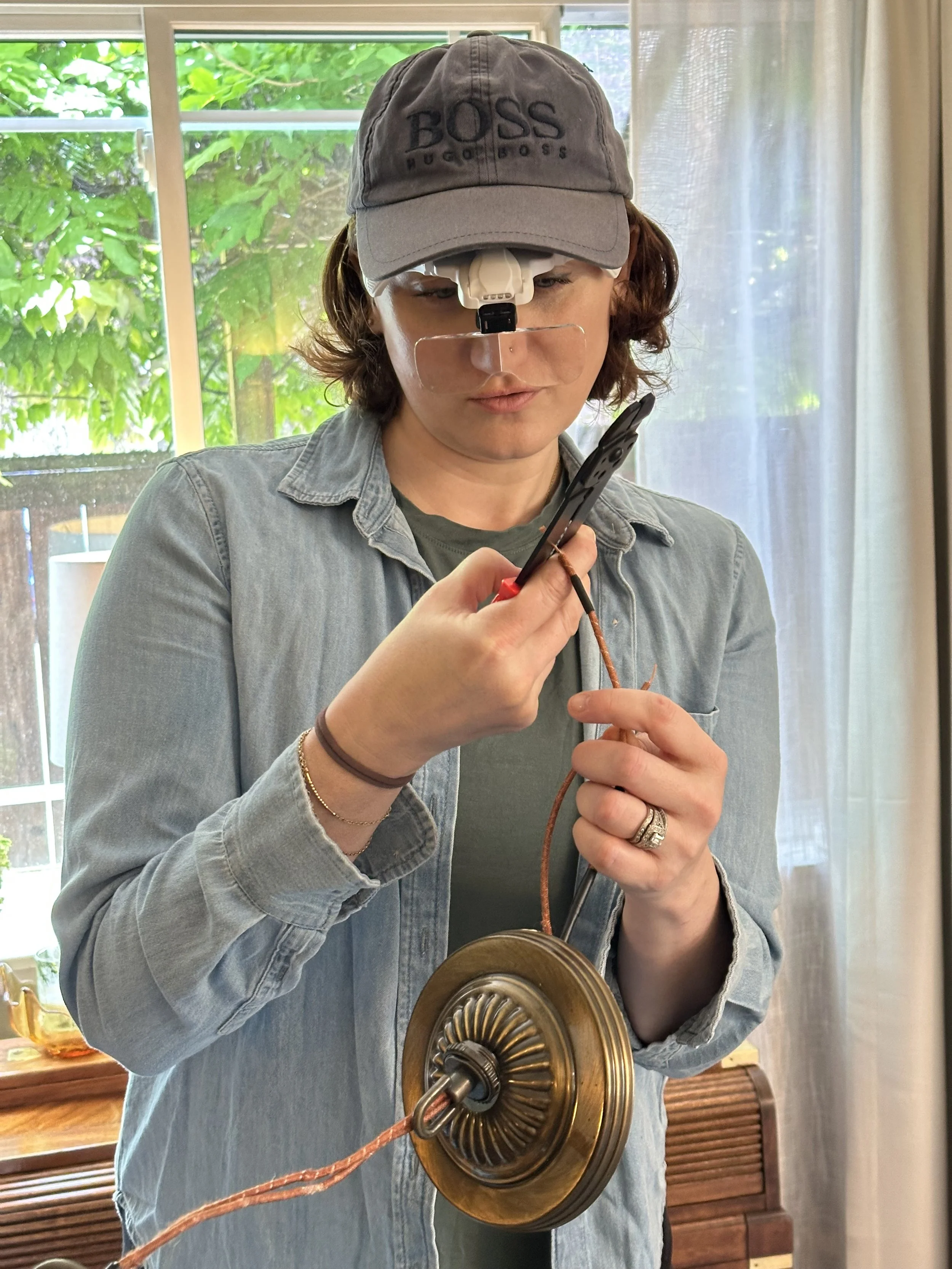
yeah, I rewire from time to time
Many older pieces were built with higher-quality materials and construction than what you'd find at a similar price point today. Look for dovetailed joints on drawers, that’s always a good sign!
And even when a piece needs a little love, like updated hardware, rewiring, or new upholstery; the end result is often something far more custom and interesting than buying new. Just be sure you know your level of effort that you are willing to put into a piece, otherwise, you may end up with a project piece that never gets finished.
Trust me, I have a desk lamp that needed more than I could give that still haunts me.
The Real Secret: Mix Materials, Not Just Price Tags
One of the easiest ways to create a layered look is by focusing on contrast. Pair polished with rustic. New with old. Refined with relaxed.
Imagine a beautiful custom sofa paired with a vintage wood coffee table. Or a budget-friendly dresser topped with a gorgeous stone lamp and oversized artwork. The goal isn't for guests to identify which pieces were expensive and which weren't. The goal is for them to walk in and think: "This feels so put together."
That's it. That's the whole assignment.
Edit Like a Designer
Here's the part that often gets overlooked. The difference between a room that feels curated and one that feels random isn't necessarily the furniture. It's the editing.
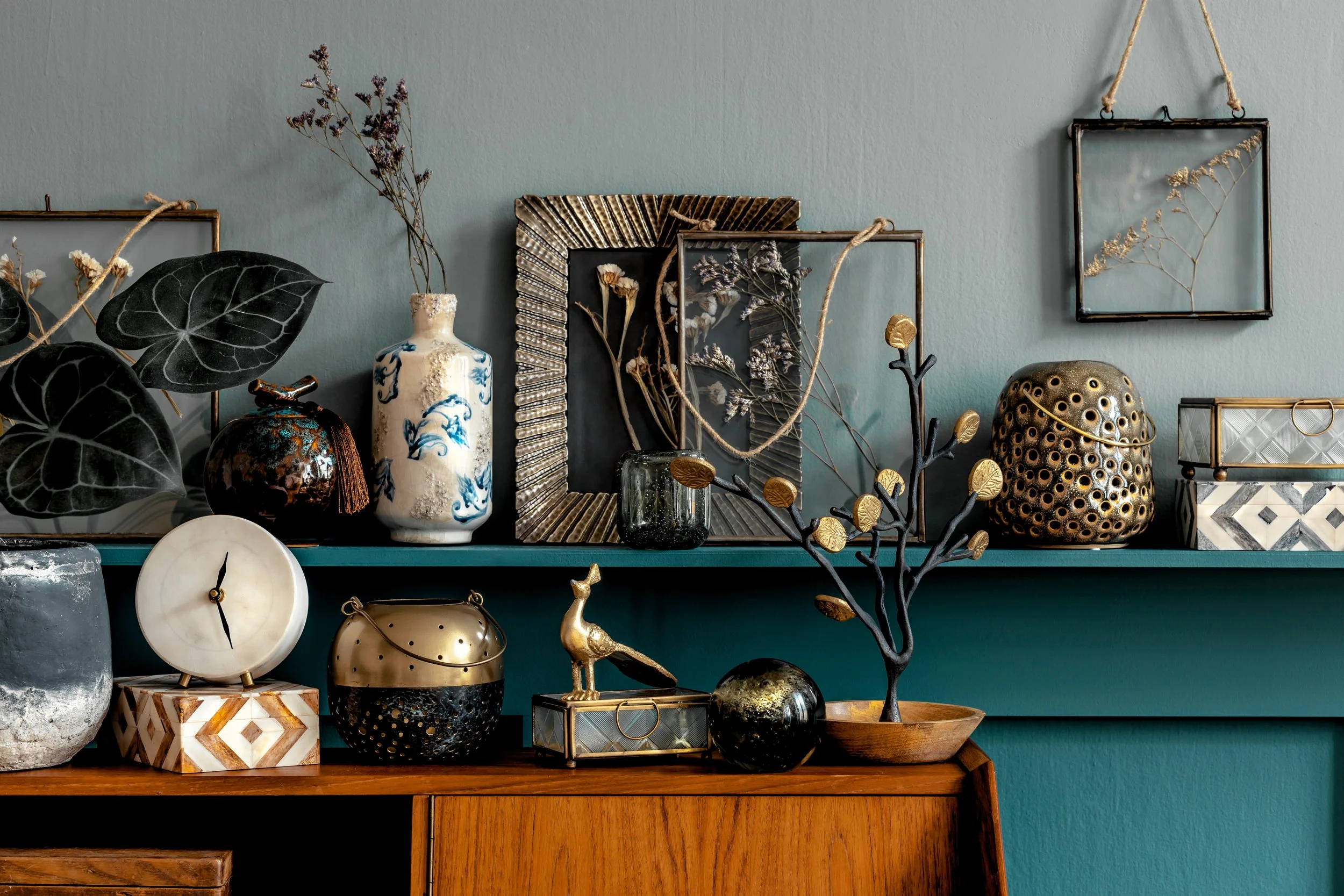
Interior designers don't simply select beautiful pieces. We make sure those pieces work together. Scale matters. Proportion matters. Balance matters. Color relationships matter.
The high-low mix works best when there's an underlying thread connecting everything together. Maybe it's a consistent color palette. Maybe it's repeated textures. Maybe it's a balance of shapes. Whatever it is, there needs to be a plan. Otherwise you're not creating a layered look, you're collecting clutter.
Why Working With an Interior Designer Makes All the Difference
Here's the truth: mixing high and low isn't actually about money. It's about strategy.
A designer helps you determine where your budget will create the biggest impact, where you can confidently save, and how to blend everything together so it feels cohesive rather than accidental. We know when a less expensive piece will work beautifully and when spending a little more will save you frustration (and replacement costs) later.
Most importantly, we help create a home that looks like you, not like a catalog, not like a showroom, and not like every other house on Instagram. The best spaces aren't the ones with the biggest budgets, they're the ones with the most thoughtful choices. And that's exactly where great design lives.
So if you're ready to create a home that feels collected, layered, and uniquely yours, I'd love to help. Together, we'll figure out where to splurge, where to save, and how to make every piece work harder for your space.