
How to Hang Art like a Designer: A Guide to Making Your Walls Work
If you’ve ever stood in the middle of your living room holding a piece of art, a tape measure, and an increasingly questionable amount of confidence, you are not alone.
Art is one of those things that can help make a room feel finished, personal, and collected. It can also make you question every decision you’ve ever made when you realize the piece you really love is approximately the size of a postage stamp and the wall you were going to place it on now looks more like the broad side of a barn.
The good news? You do not need to turn your home into a museum gallery, and you absolutely do NOT need to buy a matching set of six mass produced prints (or as I like to call it “fart”… aka fake art) from a department store and call it a day.
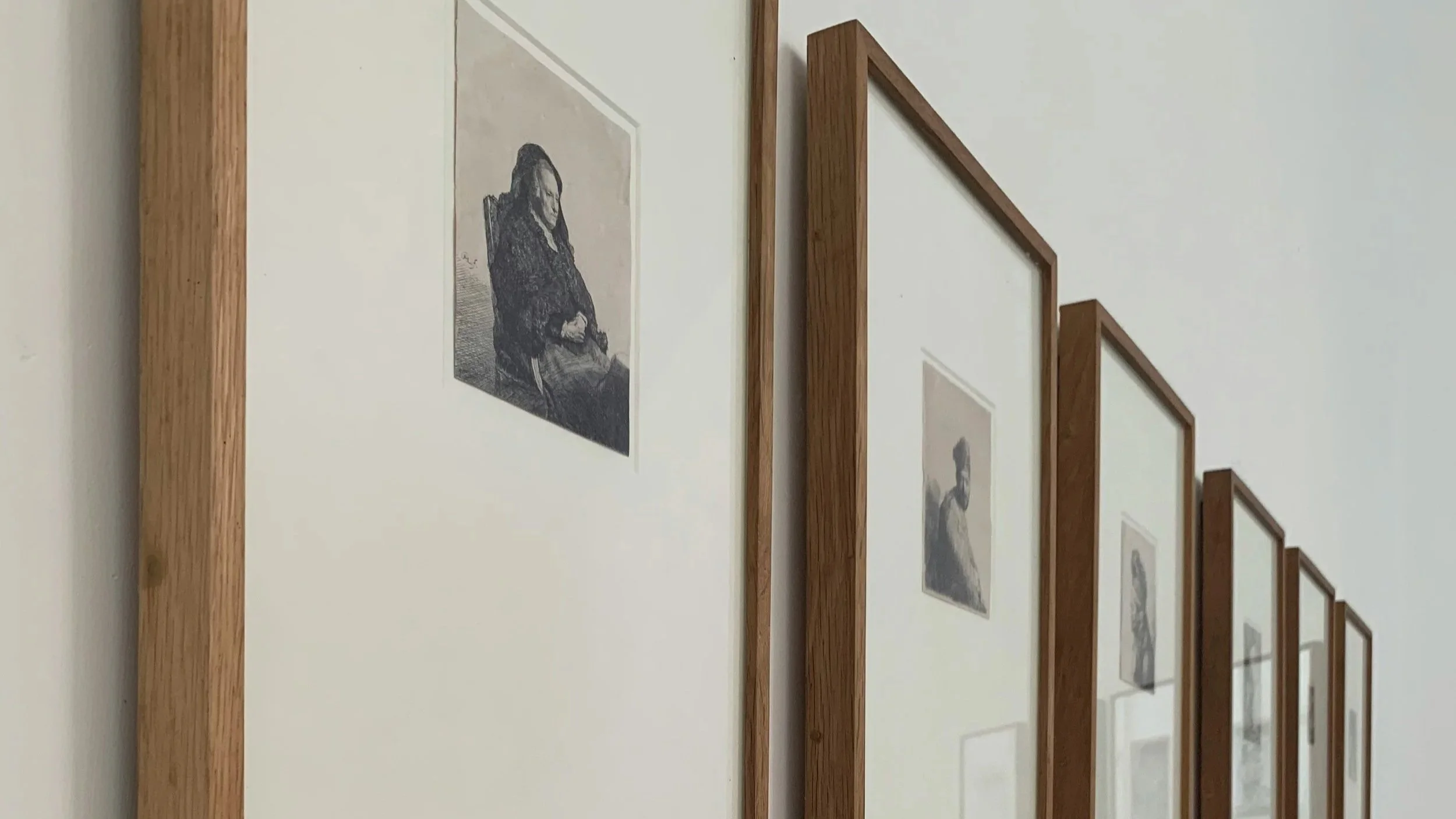
The best homes tend to have art that feels collected, not decorated. And yes, there is a difference. Collected implies there’s a story, a little personality, some old mixed with new, something that’s been passed down to you, maybe it’s something you picked up on vacation, maybe there’s an inside joke or deeper meaning to you. Where as “decorated” can often feel like you just picked up something generic from a bin at Target while you happened to be there on a grocery run (I’m looking at you canvas bull portrait).
So let’s talk about how to get your walls from “I don’t know, I just put it up there so it didn’t look empty and sad” to “ I’ve created a thoughtful and personal compilation that is uniquely me and all works together.”
Tip #1: Buy Art You Actually Like
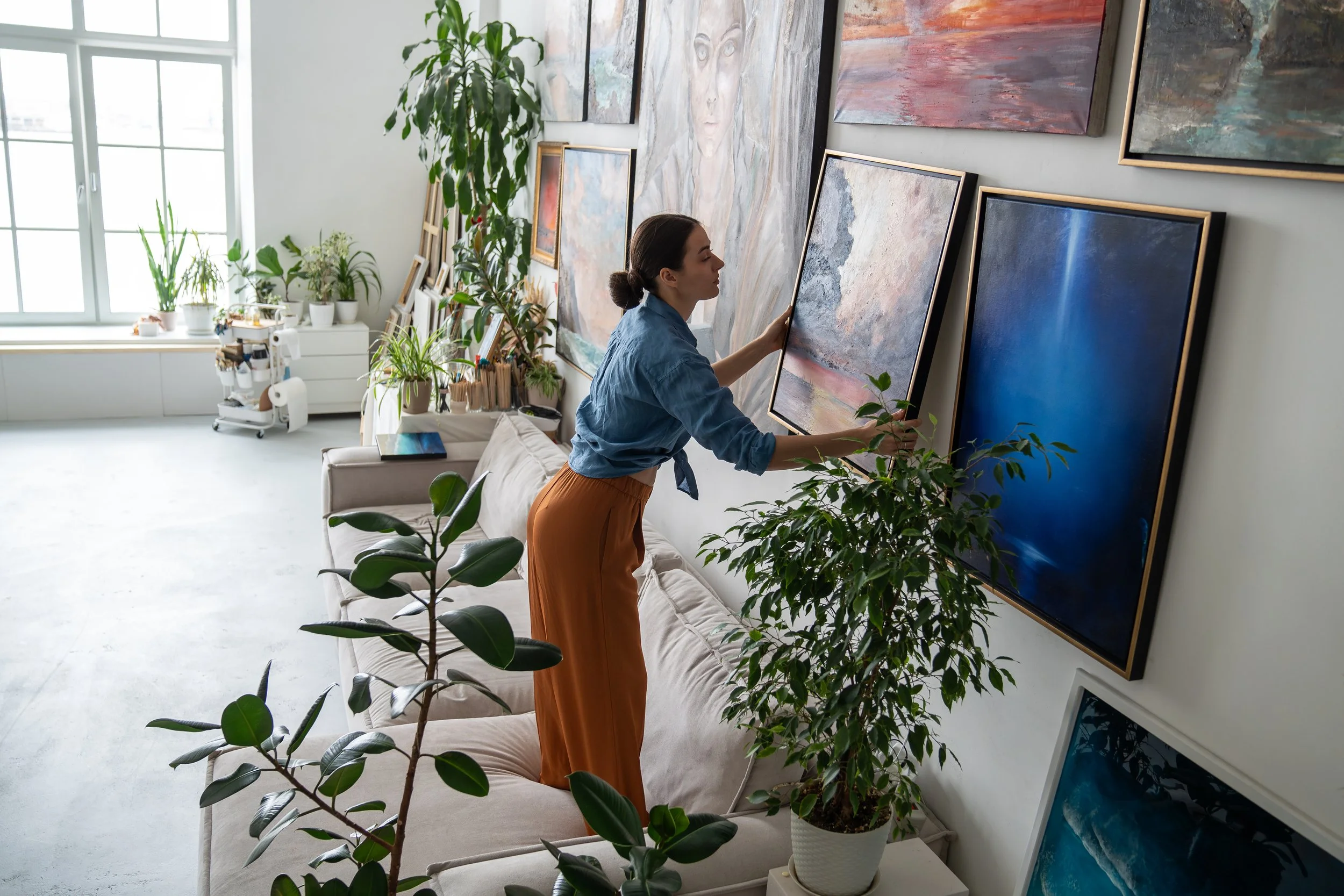
First things first, if you take nothing else from this post, just remember this cardinal rule: Art displayed in your home should be art you actually like.
It sounds simple but you’d be surprised how many people can’t follow this one. Case in point, here are a few reasons I’ve heard from family, friends, and interior design clients about why they’ve bought and displayed art that they don’t even like:
It matches the sofa.
It’s the same shade of blue in the throw pillows.
The frame was 40% off.
It was a gift and I’d feel guilty if I didn’t put it up.
I hate seeing the empty wall and I don’t have time to find something I like.
It was here when I moved in. (wwwwhhhhhhaaaaaattttttt?????????)
Art should connect with you first. While it’s great if you already have an appropriate spot picked out, don’t panic if that’s not the case. Sometimes all it takes is a little patience to sit with something in order to find the right spot.
Of course, there are practical exceptions. If you’re buying a 7-foot painting, maybe have some idea ahead of time where that monster is going before you bring it home. But in general, I would much rather see a home filled with pieces that mean something to the people who live there than a perfectly color-coordinated collection of things nobody particularly cares about.
Your home should tell your story. Art is a fundamental part of that.
Tip #2: Look at the Room as a Whole
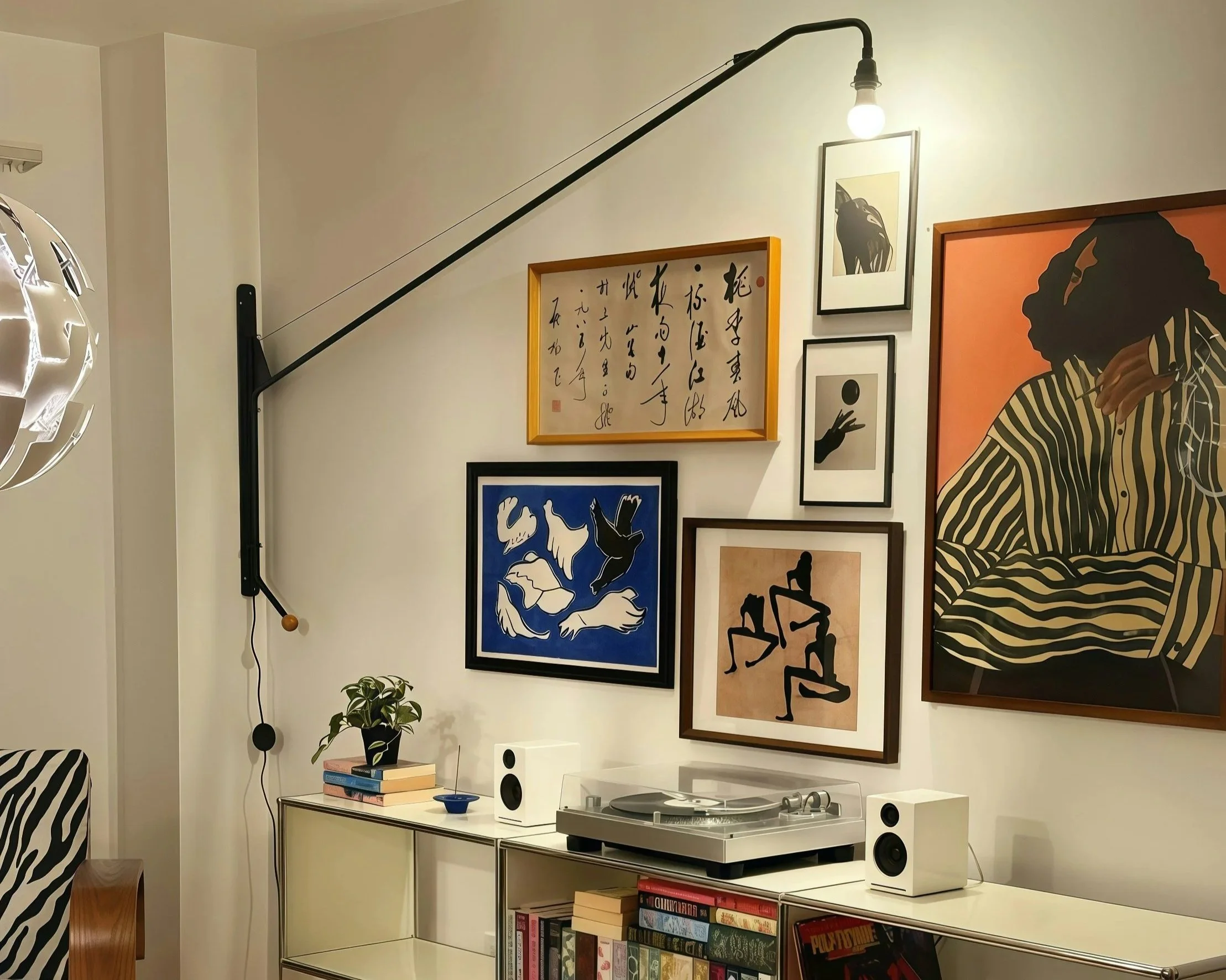
One of the biggest mistakes I see is treating every wall as its own little decorating emergency. You have a blank wall, so you put a painting on it. Another blank wall? Another painting! Then you have a gallery wall. Then maybe a mirror. Before you know it, you’re sitting on the sofa and realize your eye has nowhere to rest. That’s when a designer would recommend a little careful editing.
For most homes, you want to try to vary the configuration, scale, orientation, and type of wall treatment throughout a room rather than repeating the same arrangement on every wall. Think of wall decor as a “menu” of options that can include statement pieces, gallery walls, grids, layered collections, symmetrical pairs, mirrors, and sculptural objects. The key is being thoughtful about what appears together in a room or sightline.
In other words, if you have a large painting over the sofa, maybe the adjacent wall gets a smaller vertical piece. Maybe the dining room gets a gallery wall. Maybe the hallway gets a collection of family photos. Maybe one wall gets nothing at all. Intentional negative space can serve a purpose too.
Tip #3: The Art of Scale: Bigger Is Often Better
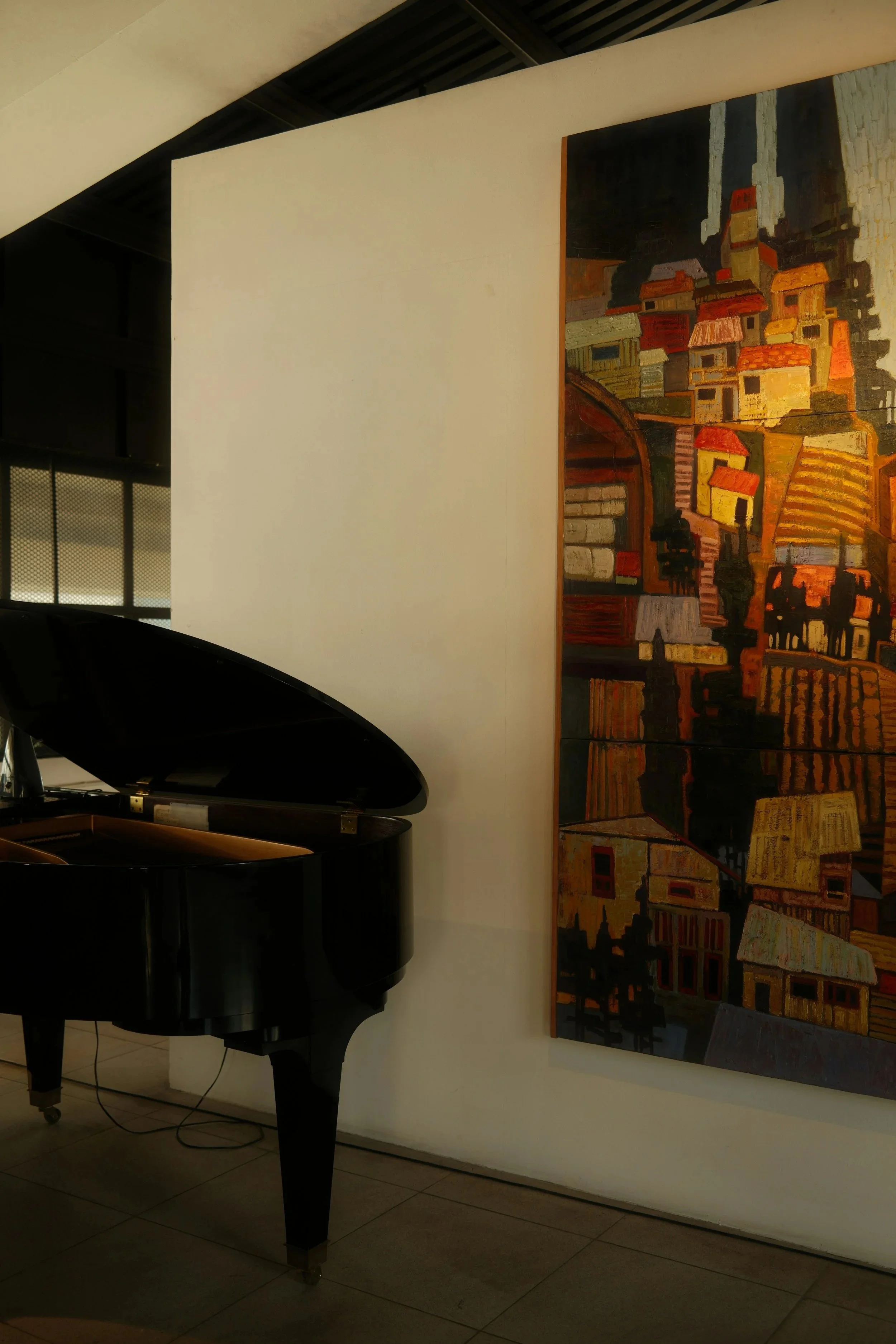
Do not be afraid of large art.
Large art is your friend.
Large art makes your space look elevated.
A common mistake I often see is choosing something that is simply too small for the wall or furniture beneath it. If you want a cheat code to make your space look like a designer created a custom plan for your walls, try hanging artwork roughly three-quarters the width of the furniture it hangs over. This can fluctuate depending on the space but the point is that the artwork should feel substantial enough to relate to what is underneath it.
If you have a 90-inch sofa and a 24-inch print floating above it, the print is going to look like it needs a friend, or two, and then suddenly you're building a gallery wall because you didn't buy the right-sized piece in the first place.
Sometimes the better answer is one big, beautiful piece.
Art Installation Cheat Sheet
Above a sofa, console, or sideboard: Aim for approximately 6–10 inches between the furniture and the bottom of the frame.
What are you looking at? My art is up here: A good starting point is to aim for the center of the artwork to hit around 57–60 inches from the floor. In my experience, hanging art too low isn’t really an issue, most of the time I see things hung way too high on a wall.
Large blank walls: Let the scale of the art respond to the scale of the wall. If the wall is enormous, a tiny art piece may need a supporting cast to not look like a post-it, or it may simply need to go somewhere else. When in doubt, go bigger!
Above a bed: Don't be afraid to go wider and more substantial to balance the bed frame size. A single large piece can create a strong focal point here.
Remember, these are just guidelines, the Art Hanging Police will not come knock on your door and confiscate your hammer and nails. There are always exceptions to the rules.
Tip #4: Great Gallery Walls Don’t Just Happen. They Take Thoughtful Planning and Careful Curation.
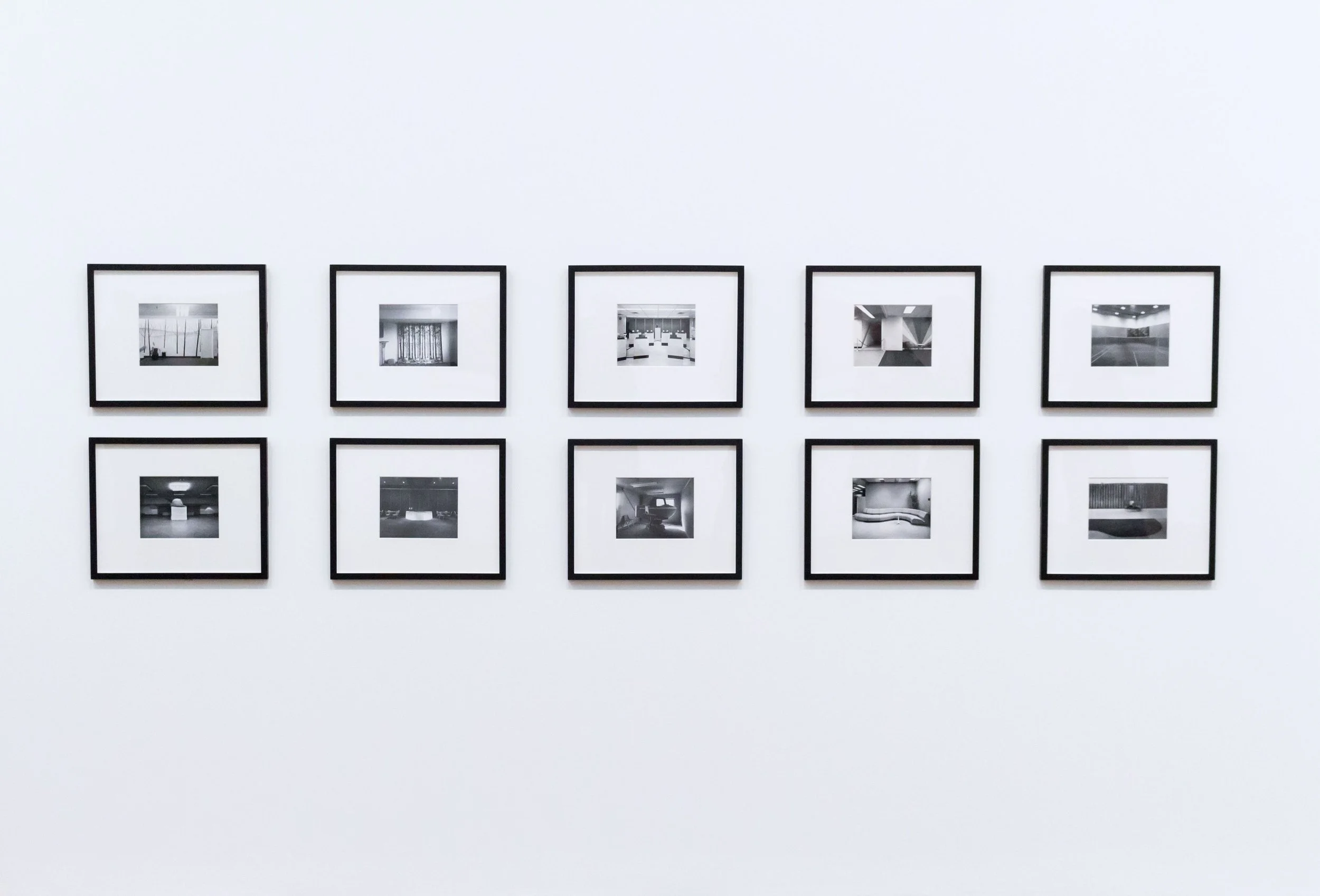
Gallery walls are wonderful but they tend to swing between feeling curated to chaotic easily if you’re not careful. The secret is to stop thinking of a gallery wall as a collection of individual frames and start thinking of it as one large piece of art. That shift changes everything.
The trick is to think of a gallery wall as one composition, not a collection of individual frames. The pieces don't need to match, but they should have some connective tissue through color, framing, subject matter, scale, or simply a shared feeling.
I love mixing photography, paintings, prints, family photos, vintage finds, and even the occasional three-dimensional object. The variety of different items in your gallery wall keeps it interesting. If you can weave in a few repeating elements, that’s what makes it feel like a collection instead of random.
Hot Take: Gallery walls don’t have to be perfectly symmetrical. Sure, a grid or more symmetrical layout can feel clean and intentional, but an asymmetrical arrangement can feel whimsical, modern, and just fun. Both can be beautiful, the key is choosing one that speaks to you and then deliberately building it, rather than accidentally ending up somewhere in the middle.
One other essential gallery wall element involves spacing. Frames that are too far apart can feel disconnected, while frames crammed together can create visual chaos. And don't underestimate the importance of scale. One or two larger pieces can give a collection of smaller works much needed visual weight to feel more intentional.
And if you’re not sure if a certain piece should be your collection, that’s your sign to edit! A gallery wall shouldn’t include EVERY piece of art you own.
Want more Gallery Wall Guidance? See our post here for step by step instructions, tips, and tricks to try before you start swinging a hammer.
If you're working with a large collection or struggling to make multiple pieces work together, this is also a great place to bring in a professional like an interior designer. We can help look at the collection in the context of the entire room and you consider scale, sightlines, furniture, lighting, and what other elements are in the space.
Tip #5: Look Beyond the Frame
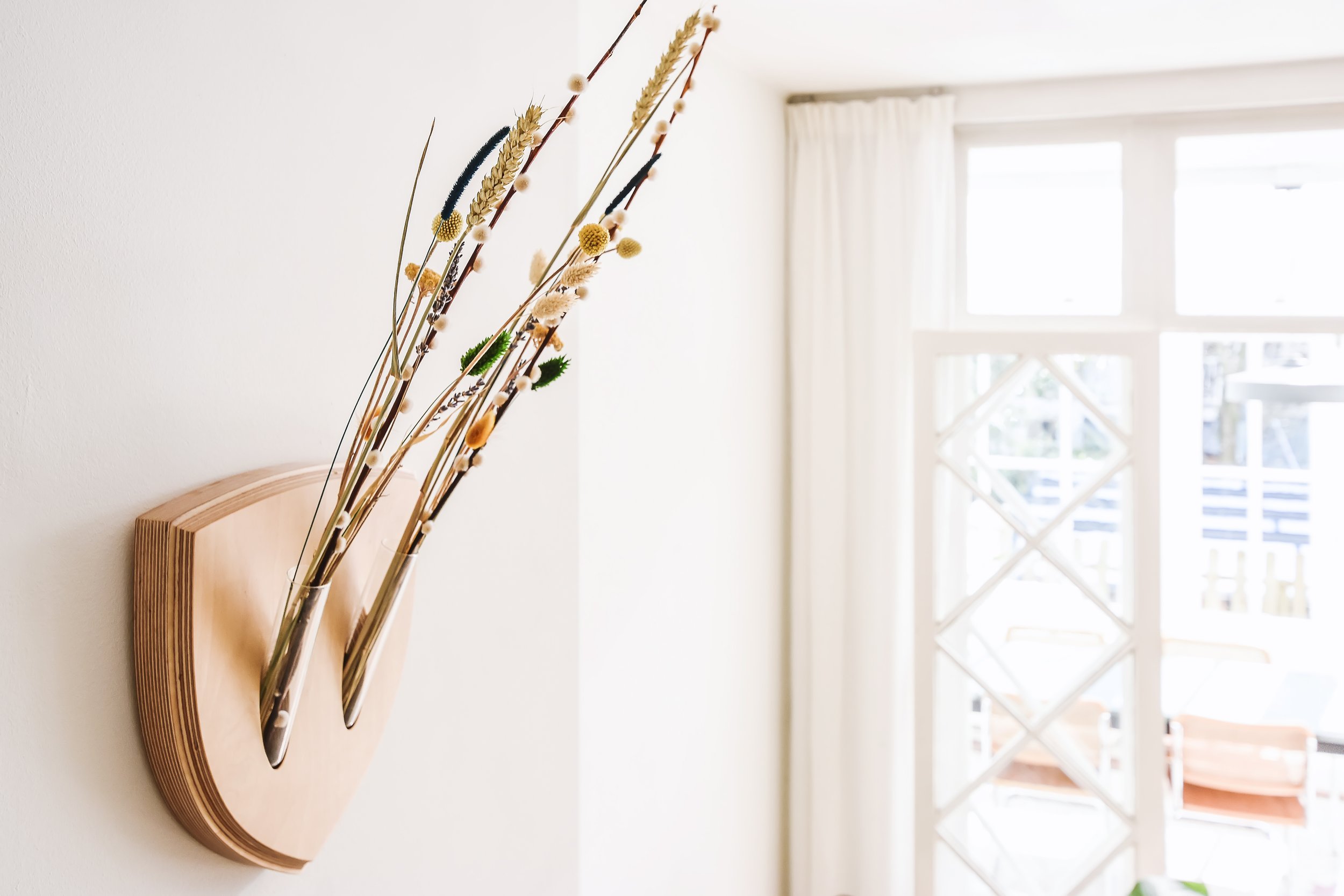
Art doesn't have to mean something in a rectangular frame. Some of my favorite “art” moments in homes aren't traditional artwork at all.
Wall Worthy Art You May Not Find in a Frame:
Vintage mirror
Collection of plates
Textiles or tapestry
Sculptural objects
Woven baskets
Antique papers or maps
Framed architectural drawings
Child artwork
Ticket stubs
Vintage advertising or signage
Found natural elements like wood, stone, or plants
Collection of objects displayed on a shelf
Instruments (old and new, broken and working)
Incorporating artwork that are three-dimensional and sculptural adds depth and visual interest to a space. They can also be clutch for filling awkward corners in a way a framed print simply can't.
If your walls are starting to look like a game of Tetris, introduce a circle. Or a sculpture. Or a mirror. Your eyes will thank you.
Tip #6: Framing and Matting Matters
It’s tragic when great art is stuck with bad framing. If you have a piece that just doesn’t seem right but you can’t figure out why, chances are, the framing is at fault.
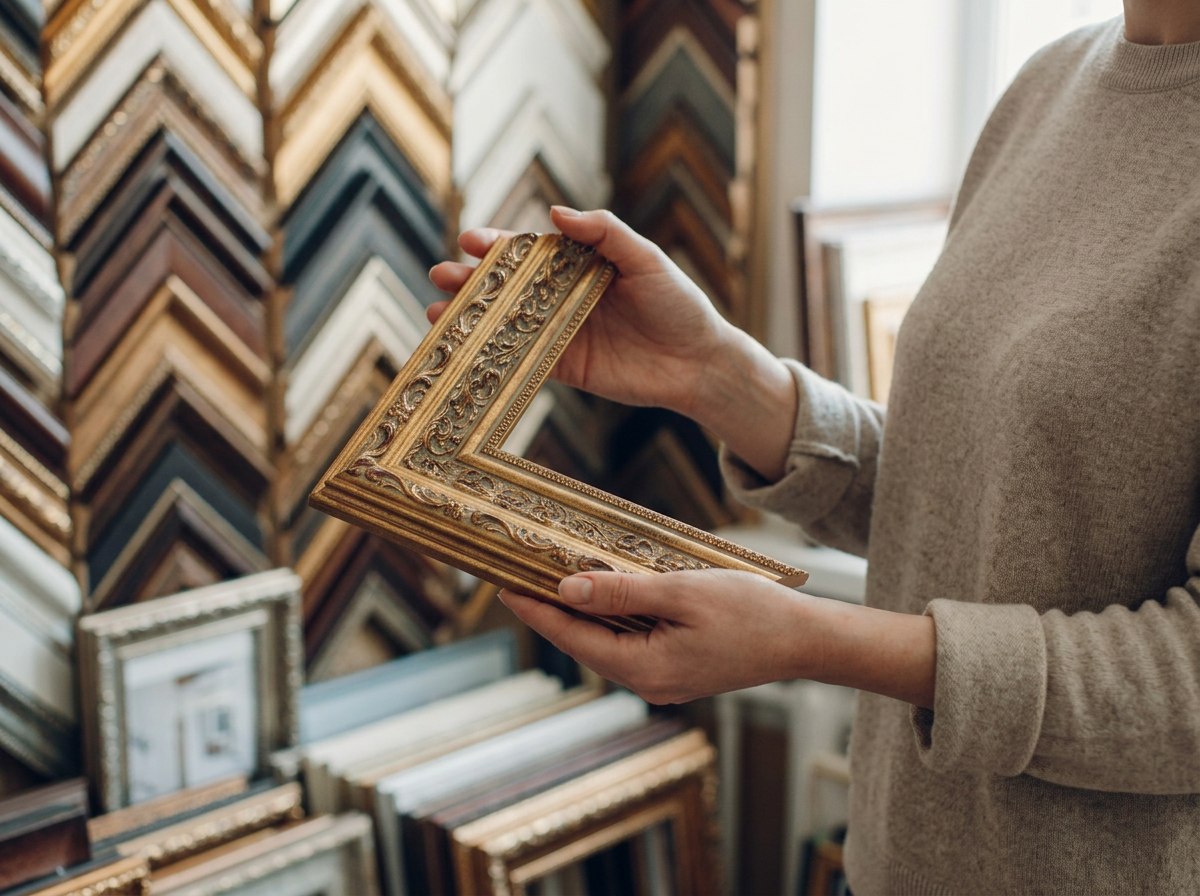
The truth is, the frame is part of the composition. That doesn't mean every frame in your home needs to be museum quality, professional matted, or that they even have to match. In fact, I often love a mix of wood, metal, painted, vintage, and traditional frames. The key is there should be a reason for the mix.
If your artwork is very busy, a quieter frame might be the right move. If the art is simple, the frame can add personality and a pop of personality it needs. If you have a large collection of smaller pieces, using the same frame can create cohesion.
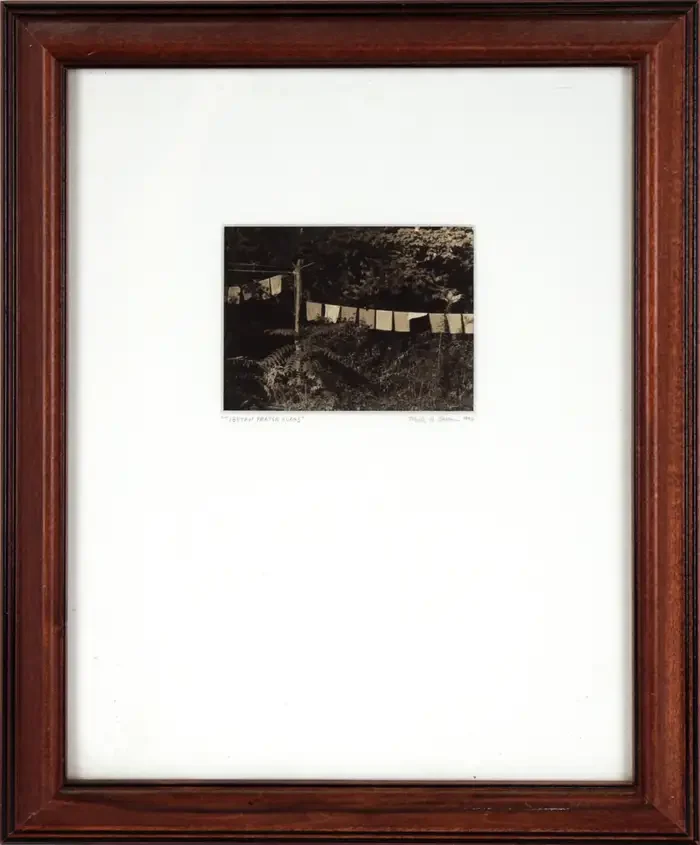
What about matting?
Matting is especially helpful for smaller works, photography, prints, and pieces that need a little breathing room. A generous mat can make a small artwork feel much more substantial. An asymmetrical or unexpected matting can give a piece added interest and focus. It can also give a collection of mismatched pieces a common visual language.

Don't automatically default to the tiniest mat possible because you want more art and less white space. Sometimes the white space is exactly what makes the art feel special.
And above all, do what feels right for you. My personal style truth is that in my own home, my frames have matting. I like the way it looks and allows an image to breathe and after years of hanging art in my home, I’ve realized how much a lack of matting bugs me. We like what we like. Let that be your guide.
Tip #7: Art Deserves to be Seen.
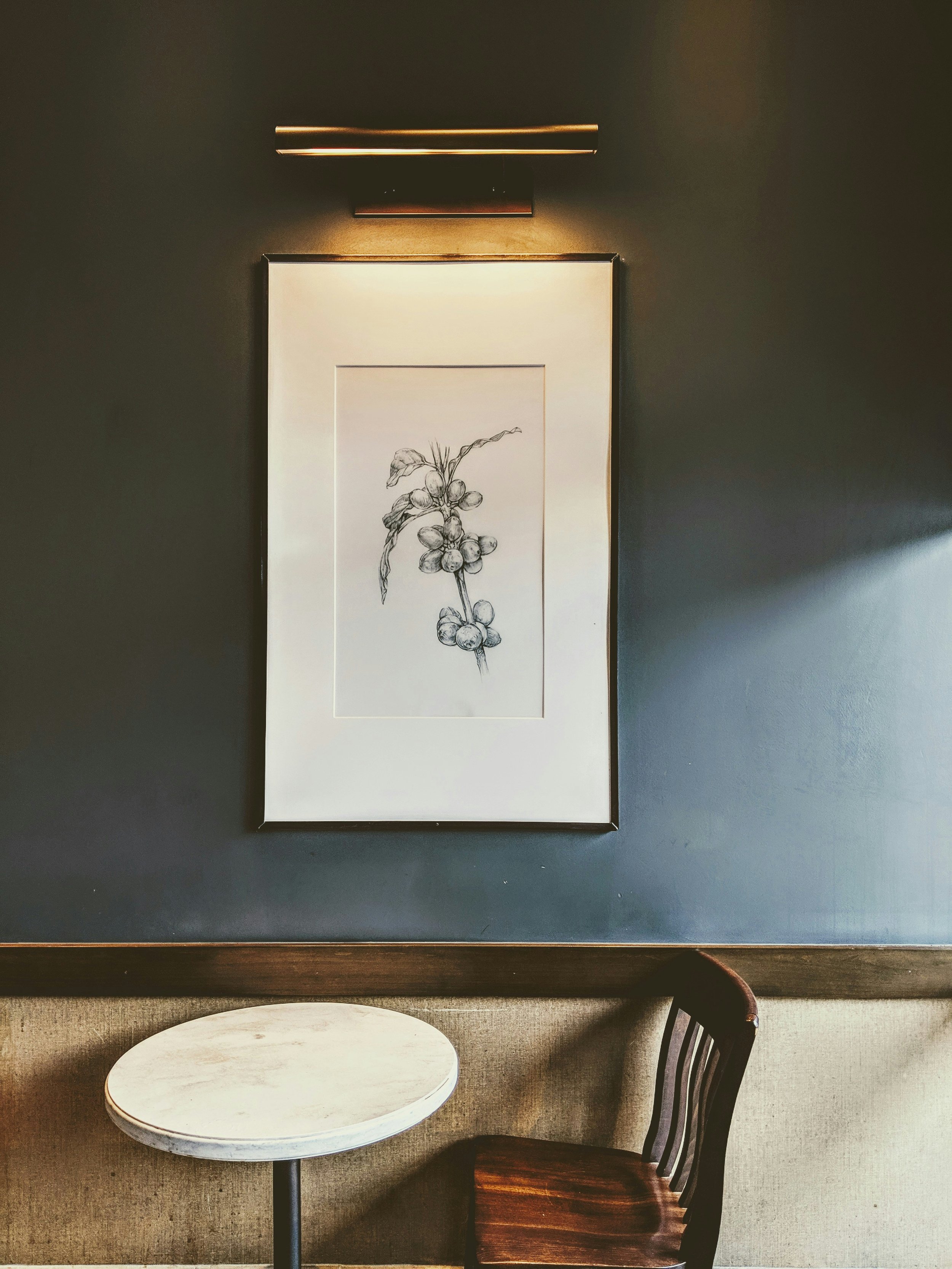
A beautiful piece hidden in a dim corner is basically doing unpaid labor. Good art deserves to be seen and lit appropriately.
Picture lights have come a long way and can be a wonderful addition to artwork, especially when you want to create a more intentional, gallery-like moment. This doesn’t necessarily mean you need to invest in hardwired custom picture lighting (although if you can, please do!), you can achieve a similar look with very affordable, rechargeable art lamps that operate with a remote.
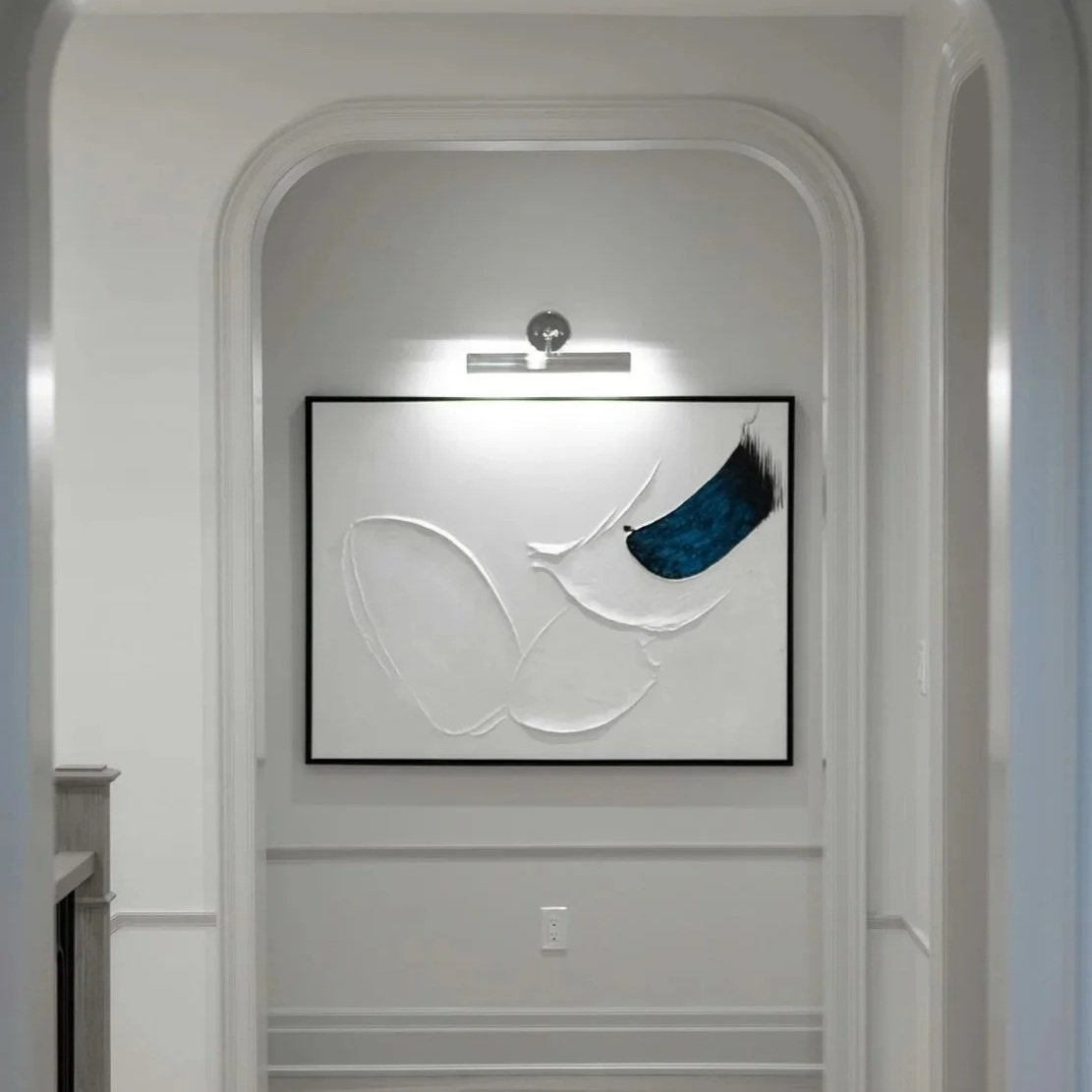
And not all art needs a dedicated picture light. A well-placed ambient lighting can help illuminate artwork, too. You just want to be mindful of glare, especially with glass, glossy photography, or highly reflective surfaces.
And if you're using natural light, think about how much direct sun the piece receives. Some artwork can fade over time, so placement and window treatments matter.
This is one of those places where an interior designer can be particularly helpful because we're not just looking at the art, we're looking at the entire room, the lighting plan, the furniture placement, the sightlines, and how everything will function together.
Tip #8: Art Can be Many Things and Found Many Places.
Finally, we’re to the fun part! This is where you really get to find and curate items that feel like you. Forget the big-box “art” aisle, forget the pieces you’ve had forever and don’t really like, and forget whatever is currently being pushed at you by an algorithm. This is where you get to make the calls with your walls.

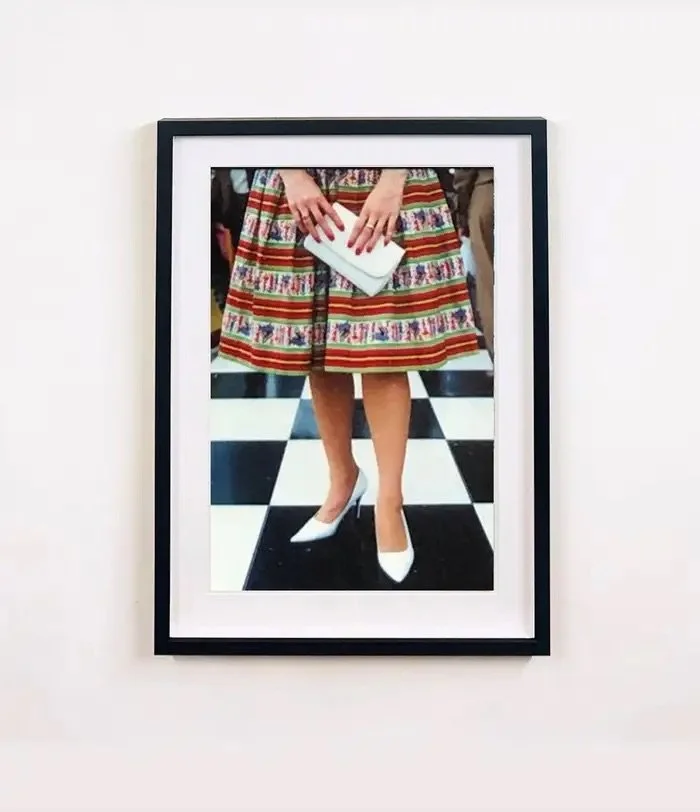
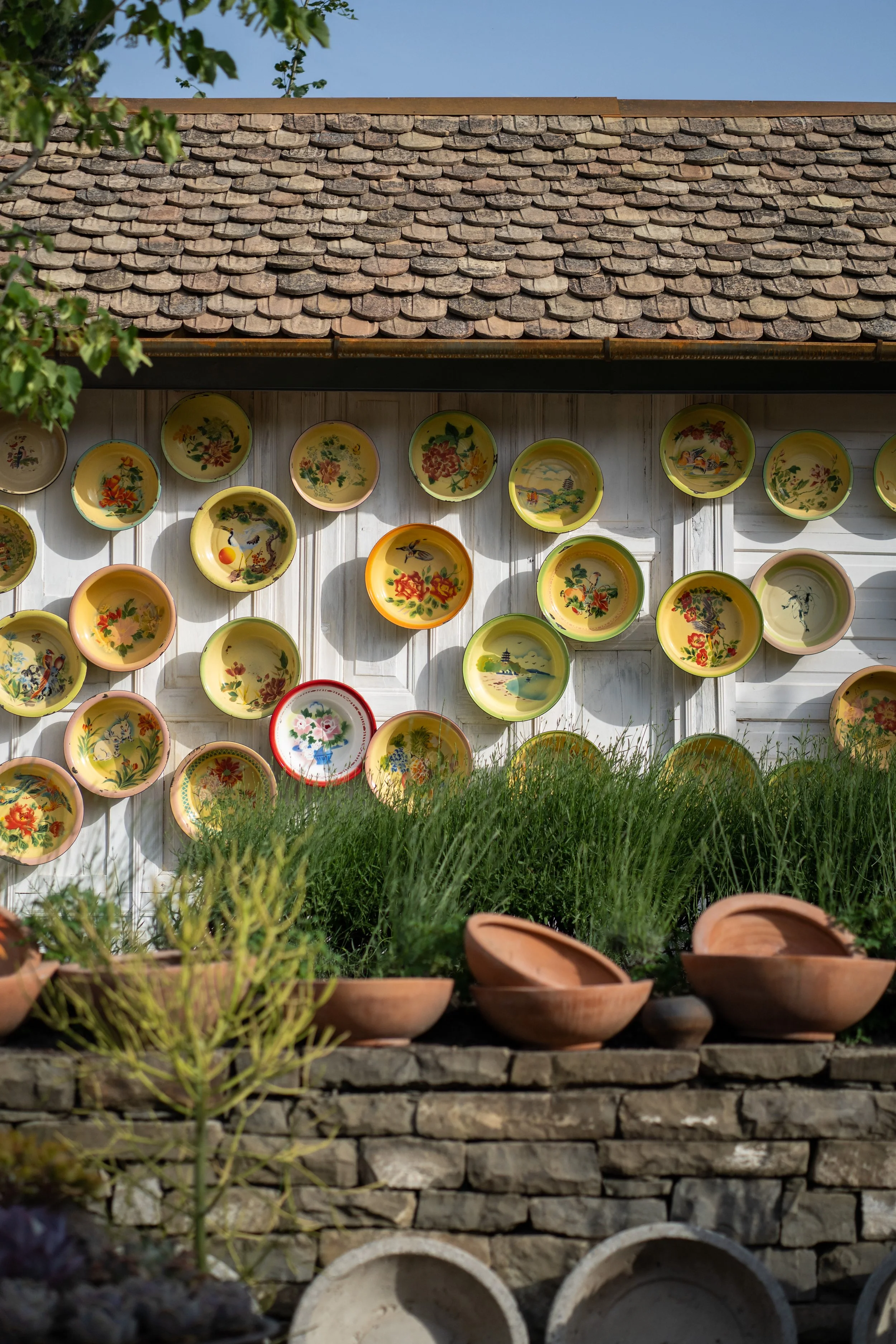
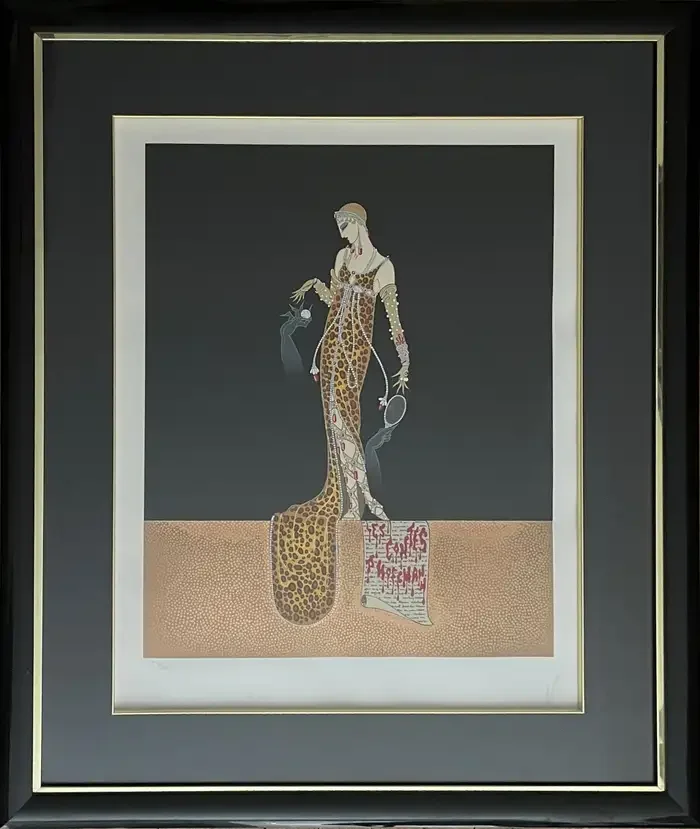
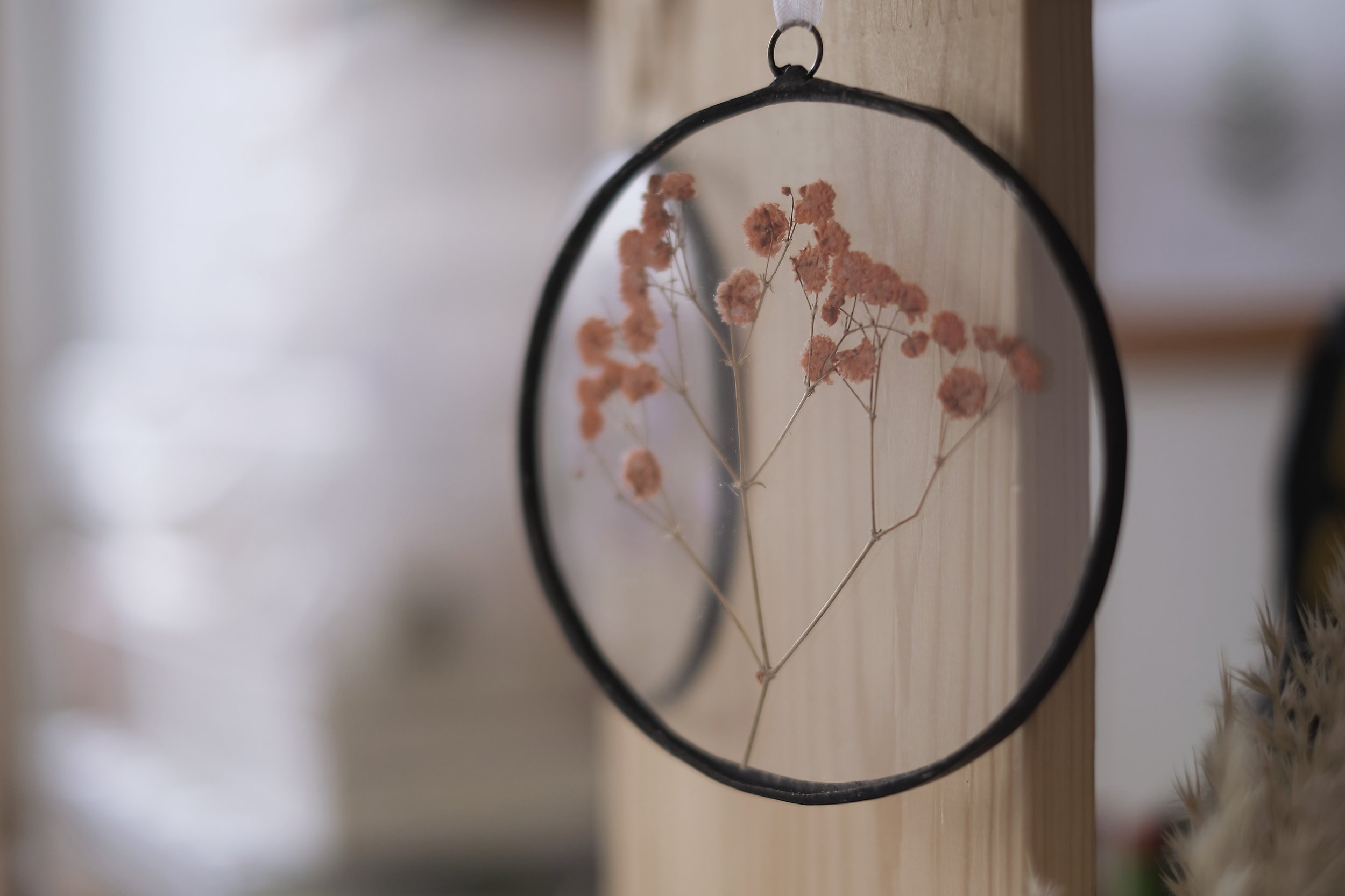
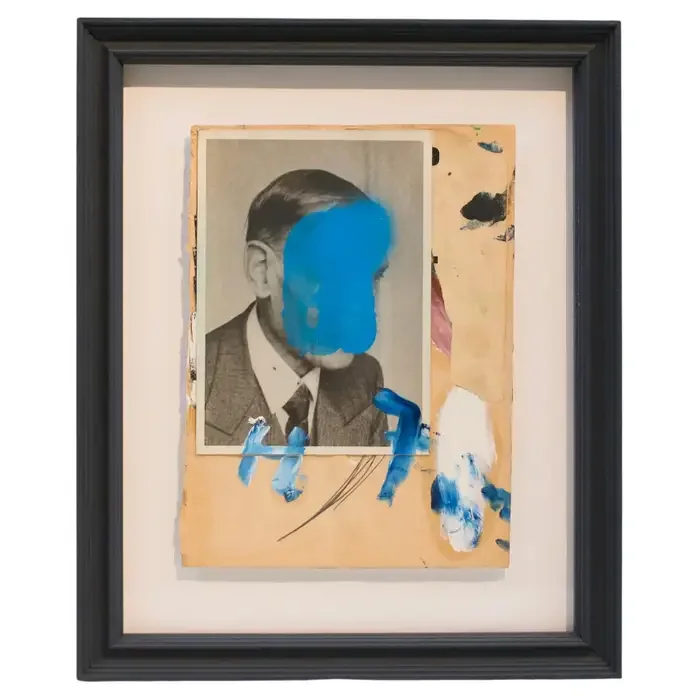
You can find art just about anywhere, but if you need some direction, these are some of my tried and true sources for finding artwork:
Local artists - Buying something from someone whose work you genuinely connect with is such a great feeling. You'll have a story behind the piece and you're supporting artists in your community. That’s a win/win.
Galleries and art fairs - You don't have to be a serious collector to walk into a gallery. Look around, ask questions, see what catches your eye. Another hot tip: find out if there are any art walk events happening in your city.
Antique stores and estate sales - Vintage art is an automatic cheat code to cool. It can add so much personality and sometimes the frame alone is worth the hunt.
Thrift stores and consignment shops - Yes, you have to dig. That's part of the fun. If you don’t agree, good! That means more weird, cool, inexpensive art for me then.
Travel - Bringing something home that reminds you of a place you've been is a great souvenir. It doesn't need to be expensive. A small print, textile, map, or found object can be much more meaningful than something purchased solely to fill a wall.
Online marketplaces - There are some fantastic independent artists and vintage sellers online. Just pay attention to dimensions, framing, shipping, and return policies. You can also check out sites like Etsy and even Facebook Marketplace.
Your own home - Seriously. Your kids' drawings. Your grandmother's photograph. A ticket from an unforgettable trip. A pressed flower. Your own photography. Not everything needs to be “fine art” to be worth displaying.
Tip #9: The Best Art Collections Usually Happen Slowly
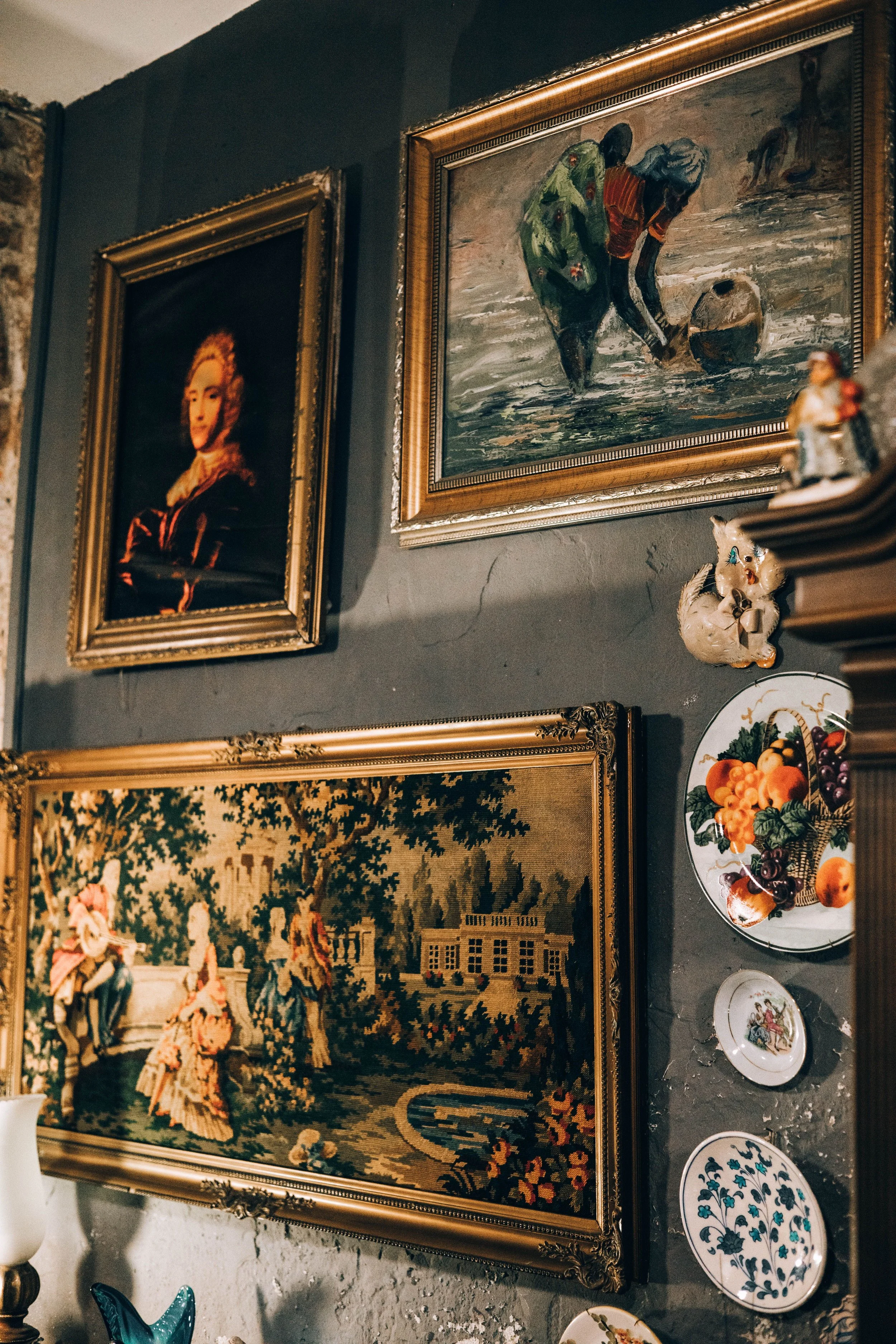
One of my favorite things about art is that you’re never really done collecting and curating. My own collection keeps evolving over time as I find new pieces that catch my eye and fall out of love with certain pieces. Take your time when it comes to finding the artworks that work for your home.
Focus on buying the things you love, live with it, find another thing, and move the first thing somewhere else. Maybe six months later, you realize the piece you thought belonged in the bedroom actually belongs in the dining room. That’s OK, that's how a home starts to feel collected.
It may not feel like it when you’re looking at a big empty wall, or it’s your turn to host the big family gathering this holiday season, but the truth is, there’s no deadline here. This is your space and your walls. Take your time finding what you love, figuring out how you want to display it all, and what story you want to tell with these pieces.
Tip #10: Know When It's Time to Call a Professional
You absolutely can hang your own art. You can absolutely plan your own art design and placement. But there are some cases where it may make sense to consider working with an interior designer.
You're starting from scratch - If you have an entire home full of blank walls and zero idea where to begin and even less desire to figure it out, a designer can create a strategy for the entire home rather than solving one wall at a time.
You have a large art collection - This is where scale, sightlines, balance, framing, lighting, and sequencing become much more complicated and could benefit from an interior designer’s expertise.
You have expensive or sentimental pieces - Sometimes you don't want to experiment with Grandma's one of a kind oil painting and you need to bring in someone who can help protect, preserve, and display your items with care.
Your rooms connect visually - Open floor plans and sightlines can complicate things. What happens on one wall affects what you see from another room.
You're buying art as part of a larger remodel or furnishing project - I’m not going to lie, this is one of my favorite times to get involved with a project because there are less established elemin the space and have more freedom. We can consider the art alongside the furniture, rugs, lighting, paint, wallpaper, and architectural details instead of trying to squeeze everything in at the end.
You've been staring at the same blank wall for two+ years - I know I said there’s “no rush” when finding and installing art but at that point, it’s a cry for help. A designer's job isn't to make your home look like a showroom, it's to help you figure out what works, what doesn't, what deserves the spotlight, and where everything should go so the whole thing feels like you. If you’re having trouble getting started on this project, it may be time to let a professional give you a hand.
The Bottom Line
There are rules for hanging art. There are guidelines for scale. There are formulas for spacing. There are approximately 527 opinions about whether your gallery wall is symmetrical enough. But none of those things matter as much as creating a home that feels deeply personal to you.
You just need to remember:
Start with pieces you love.
Pay attention to scale.
Vary your arrangements.
Give your eyes somewhere to rest.
Mix old and new.
Don't be afraid of a weird little sculpture.
Frame thoughtfully.
Lighting matters.
And when in doubt? Edit.
One major style rule that I try to live by, and it applies to art in my home as well, is that, “If it’s not a hell yes, then it’s a hell no.” The difference between a wall that feels curated and one that feels chaotic usually isn't that you need more things. It's that you need to step back, look at the whole room, and decide what deserves to stay and what needs to go. Your walls don't need to be full, they just need to feel like you.
If you're staring at your walls thinking, “Okay, but I have approximately 23 pieces of art, three inherited mirrors, a weird ceramic fish, and absolutely no idea where it should all go,” well... that's exactly the kind of problem I love to solve for my clients. I love helping clients create homes that feel collected, layered, and personal.
Good luck, you’ve got this, and happy hammering!
