
A Beautiful Gallery Wall Doesn’t Just Happen. Here’s Your Step by Step Guide to Go From Blank Walls to Wow Factor.
If you have a big blank wall in your home, chances are, you’ve considered installing a gallery wall. Gallery walls can be wonderful, but they tend to swing between feeling curated to chaotic very easily if you’re not careful. The secret is to stop thinking of a gallery wall as a collection of individual frames and start thinking of it as one large piece of art. This shift changes everything.
If you’re thinking of installing a gallery wall in your home, here are a few helpful steps to follow when creating your own pro-inspired gallery wall.
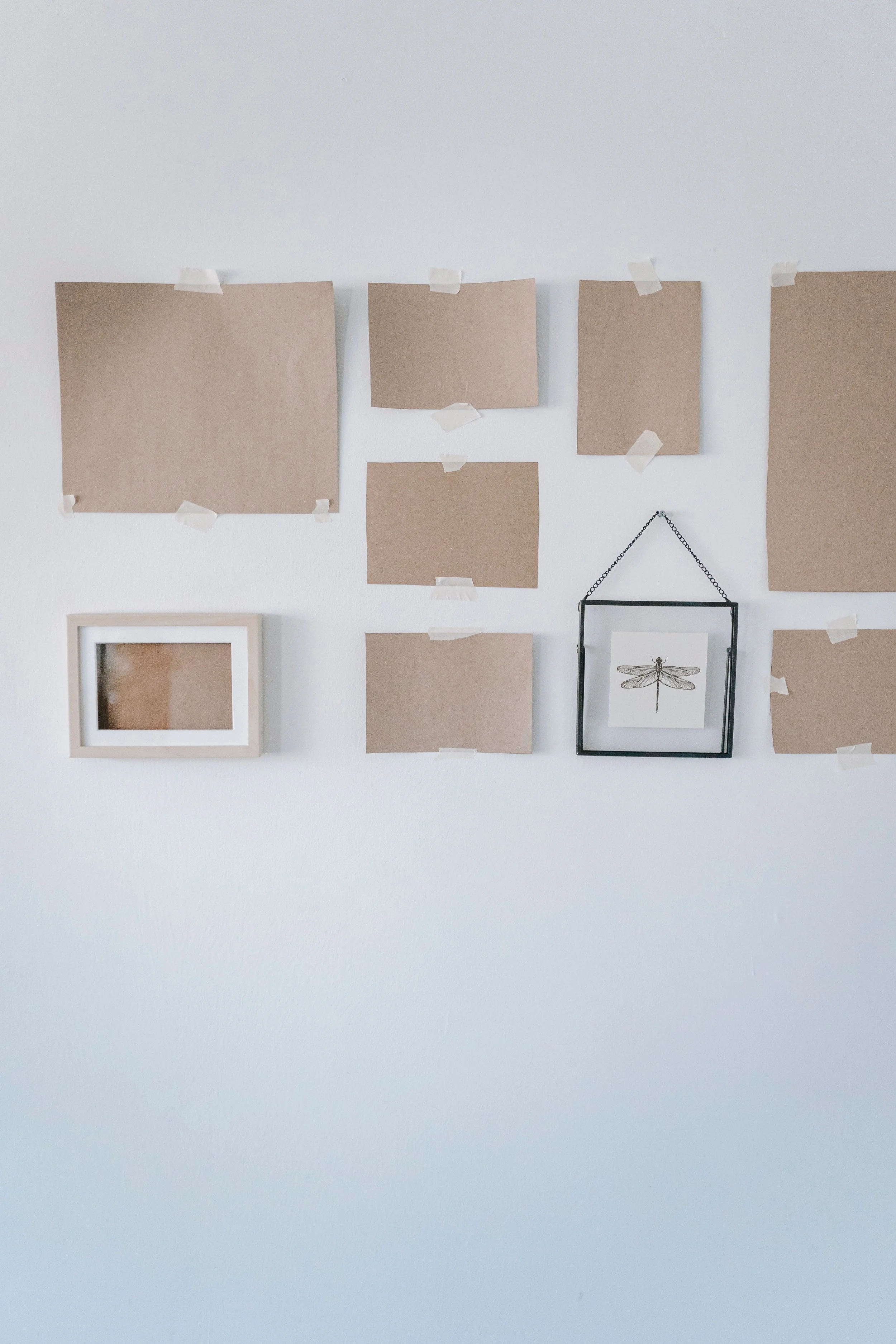
Step 1: Pick Your Anchor
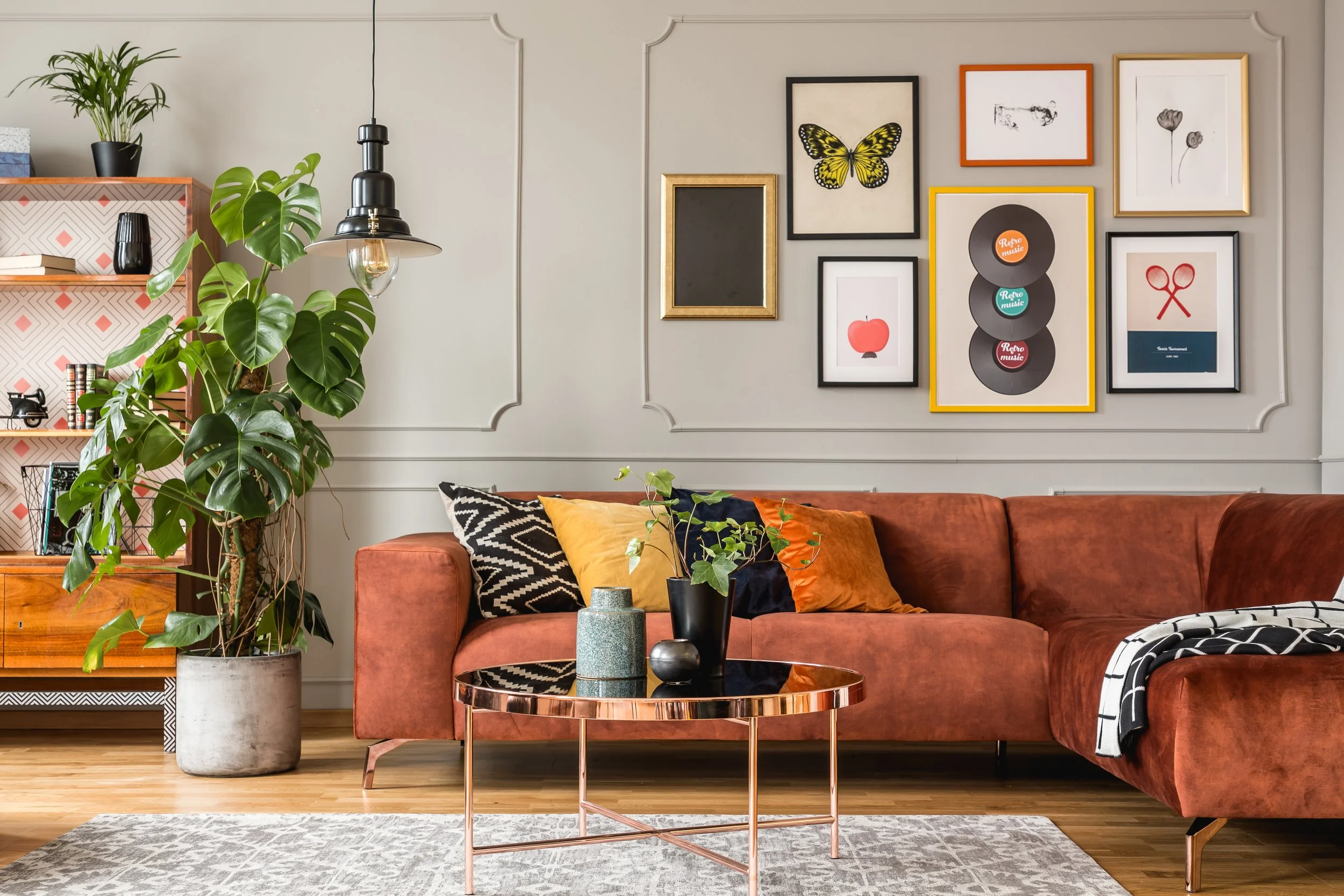
Start with your largest or most important piece. This is your “hero” piece that instantly draws your eye.
This piece doesn't necessarily have to be dead center on the wall, but it should give the arrangement some visual weight. From there, build outward with smaller pieces.
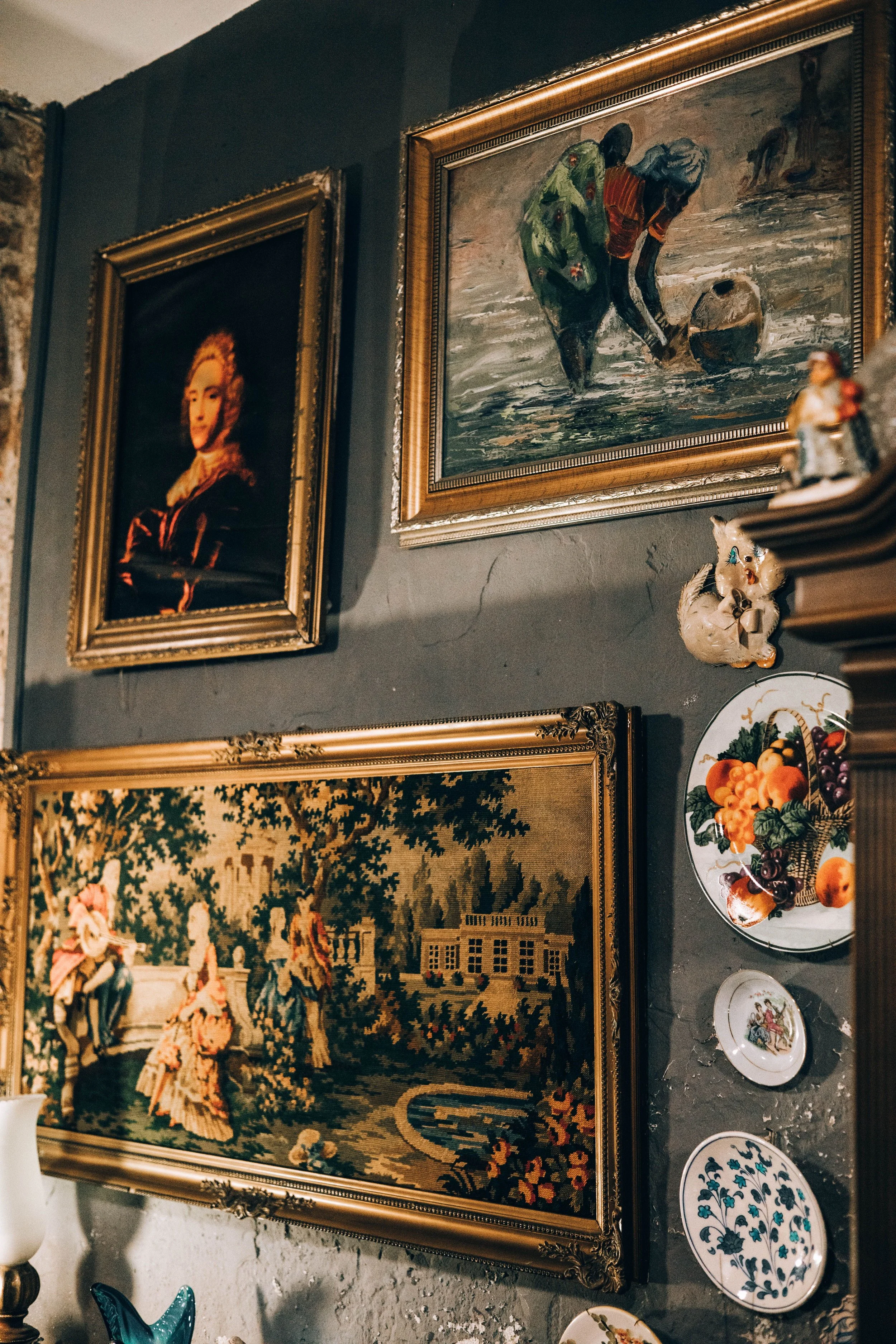
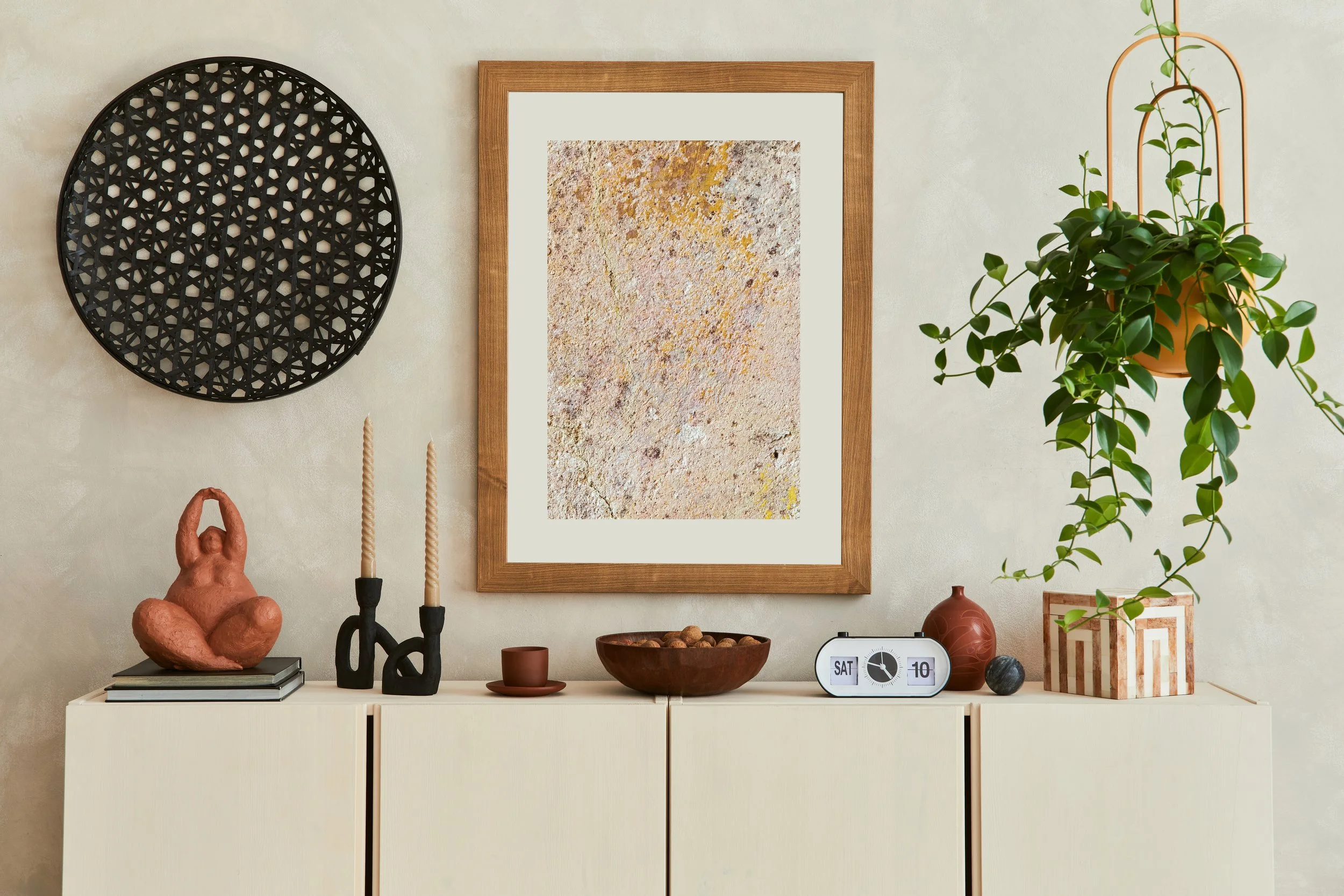
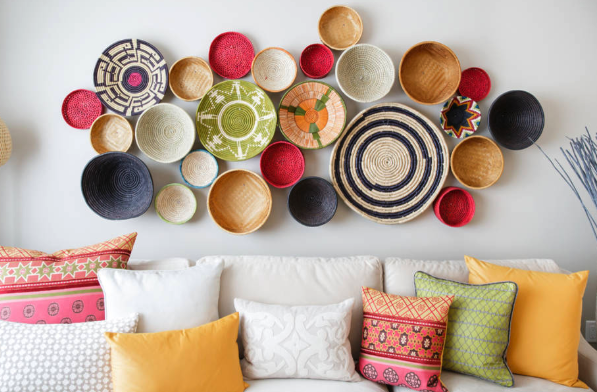
Try mixing any of the following to add more visual interest:
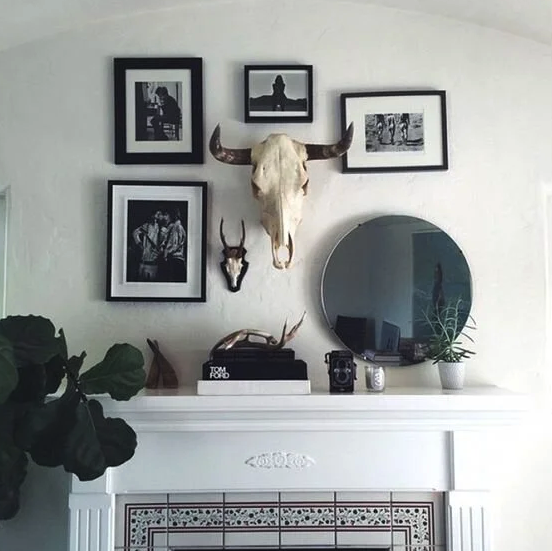
Photography
Paintings
Prints
Family photos
Vintage art
Children's artwork
Textiles
Plants
Mirrors
Small sculptural pieces
Objects with personal meaning
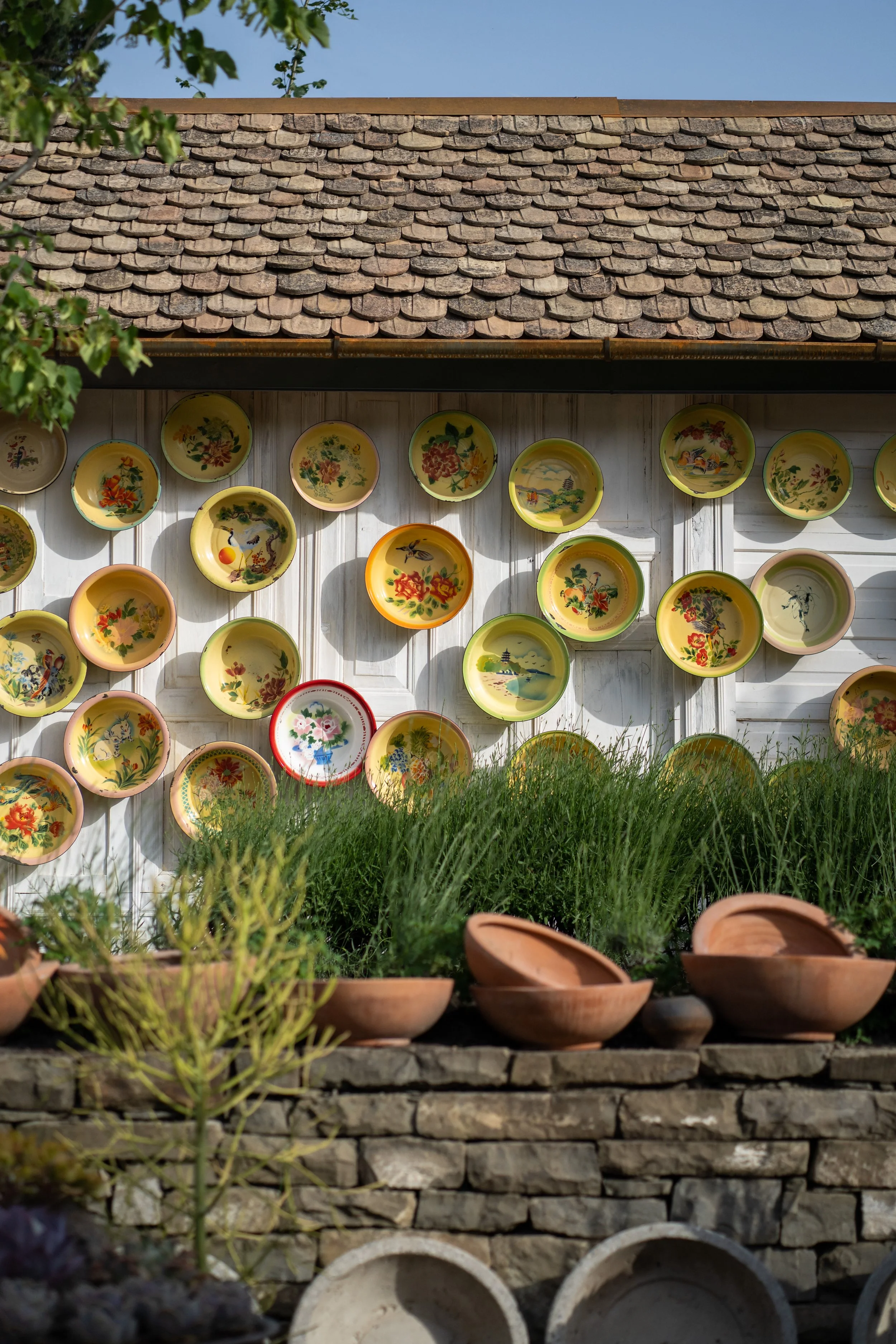
The goal isn't for everything to match. The goal is for everything to look related.
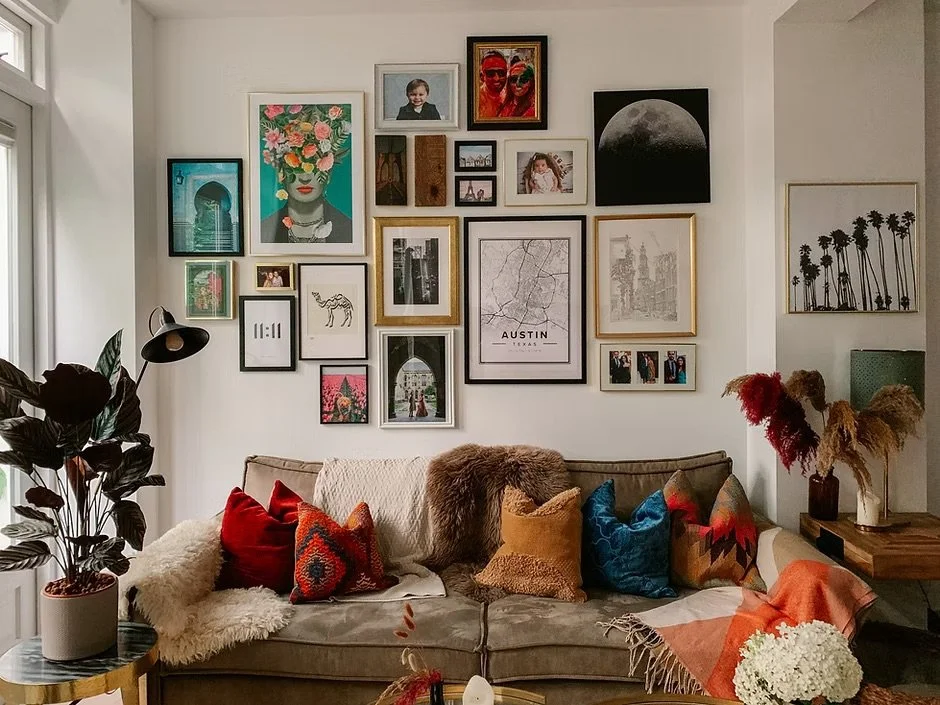
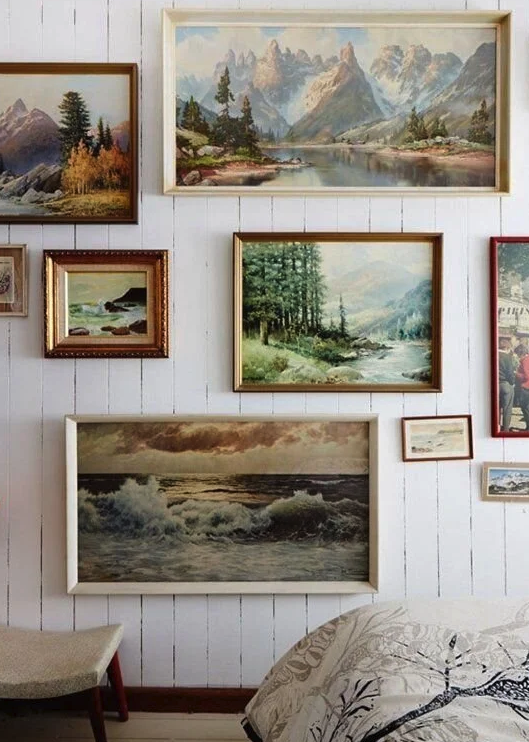
Step 2: Find a Common Thread
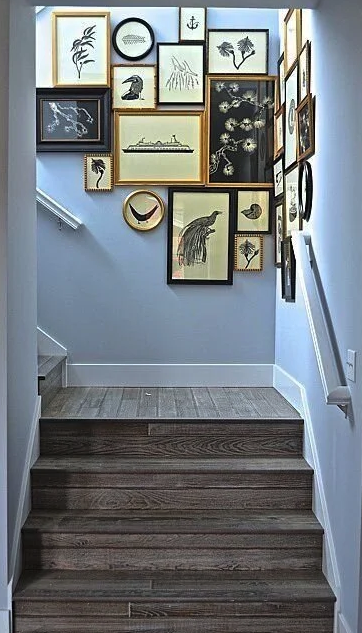
A good gallery wall needs connective tissue. That could be a shared color palette. Maybe all of the frames are wood. Maybe the art is eclectic but the framing is consistent. Maybe everything is black and white. Or maybe the only thing connecting the pieces is that every single one makes you happy.
Design pros know how to strike a balance of intentional relation between pieces while avoiding too much repetition. Variety keeps a collection interesting, while a few underlying relationships keep it from feeling random.
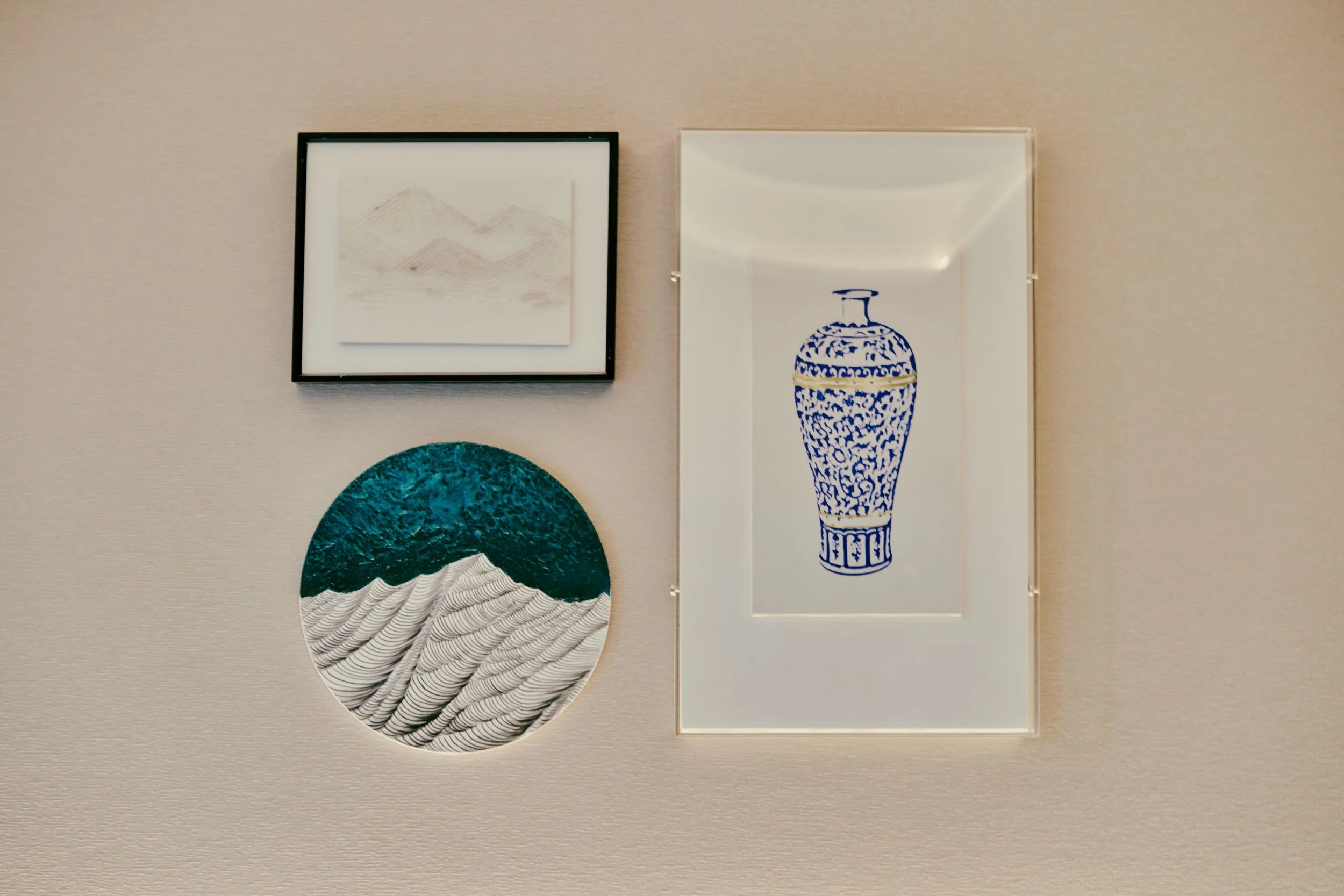
Step 3: Don't Be Afraid of Asymmetry
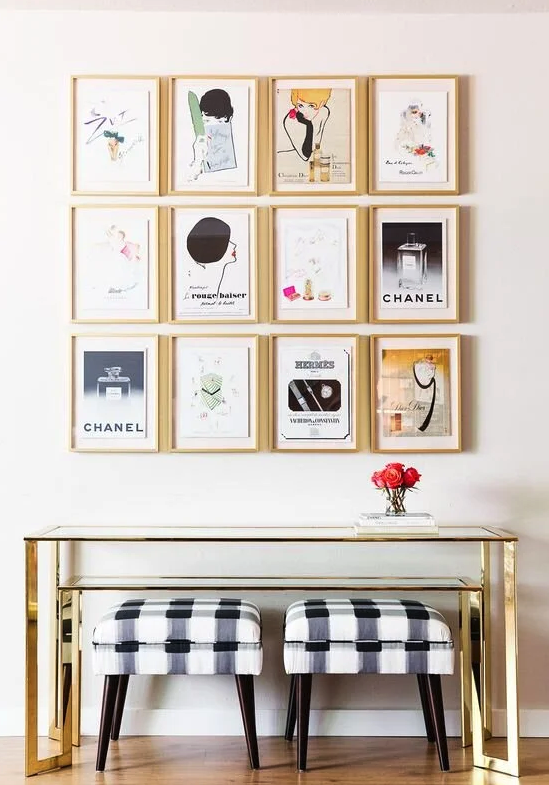
A gallery wall doesn’t need to look like a perfect grid, in fact, an asymmetrical arrangement can feel whimsical, unexpected, and fun. No shade to symmetrical arrangements, I only point it out to show that both can work.
If you prefer symmetry, embrace it. If you want something looser and more collected, embrace that too. The important thing is that the arrangement feels intentional.
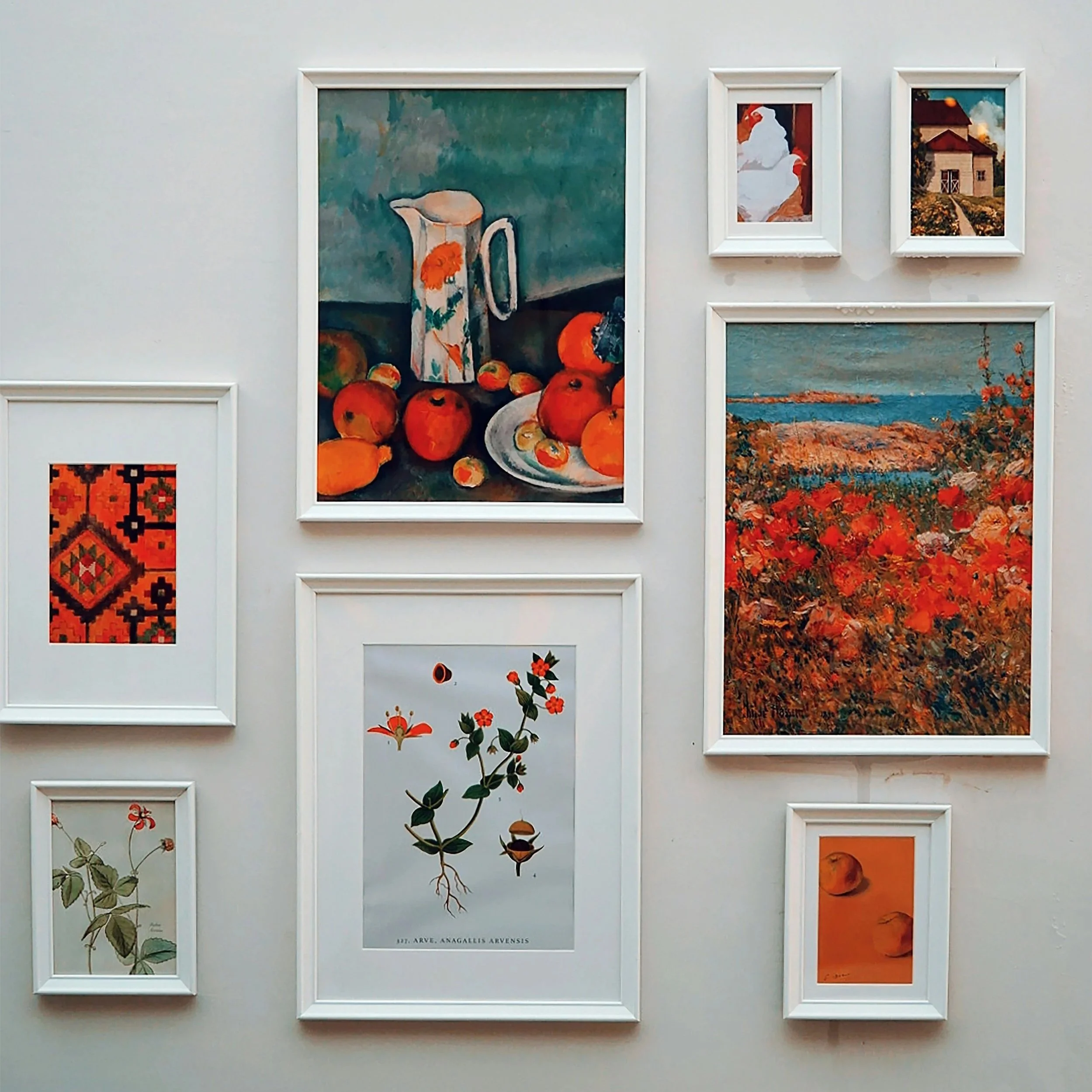
Step 4: Mind the Gap
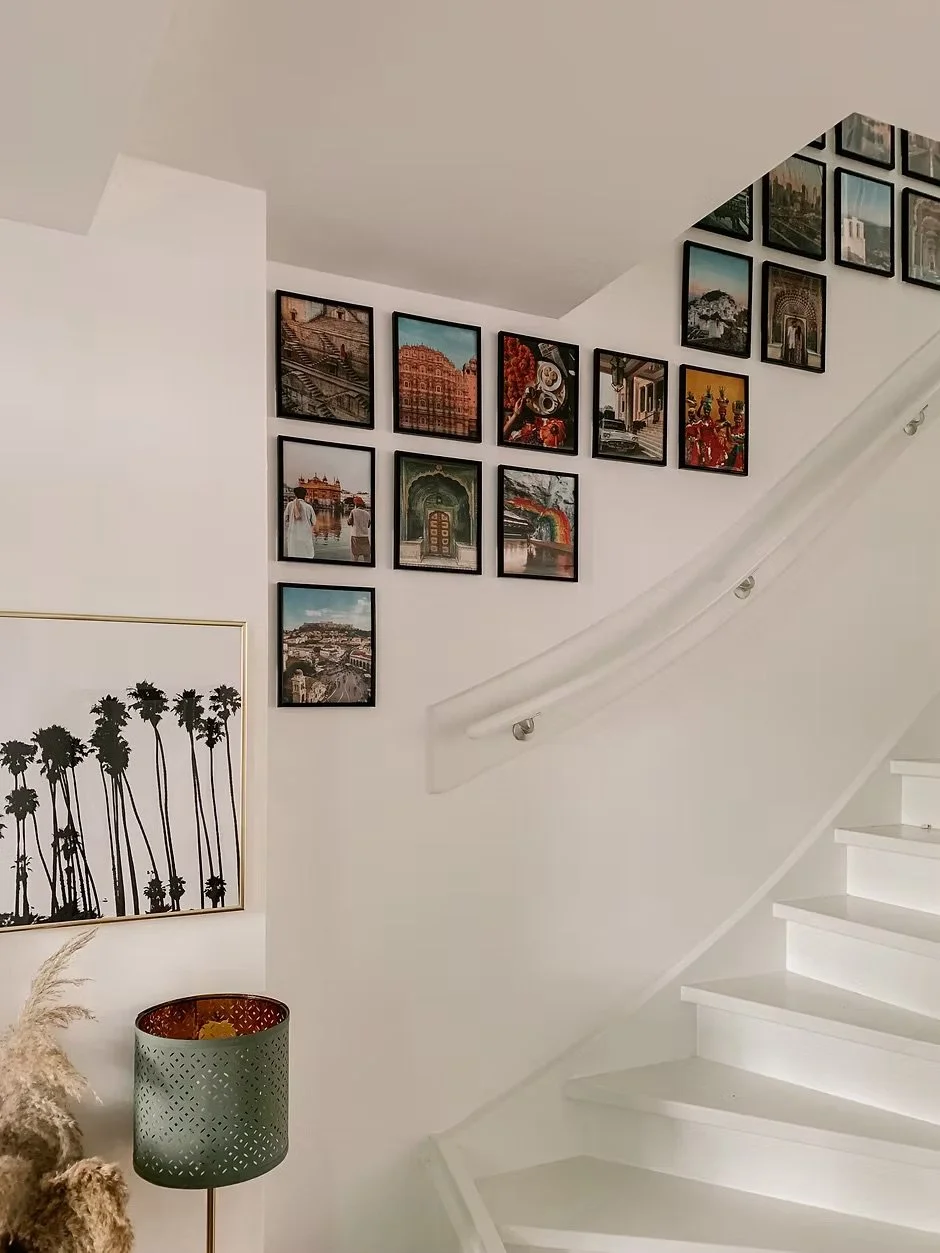
Spacing is where a gallery wall can go from meticulous to messy. For most gallery walls, somewhere around 2–4 inches between frames is a good starting point. Larger pieces can sometimes handle a little more breathing room, while smaller pieces often look better grouped more tightly.
Too much space and everything starts feeling disconnected. Too little space and you've created an art traffic jam. Neither is ideal.

Step 5: Use Paper Before You Use Nails
This is one of my favorite tricks because it saves walls, nails, and everyone's blood pressure.
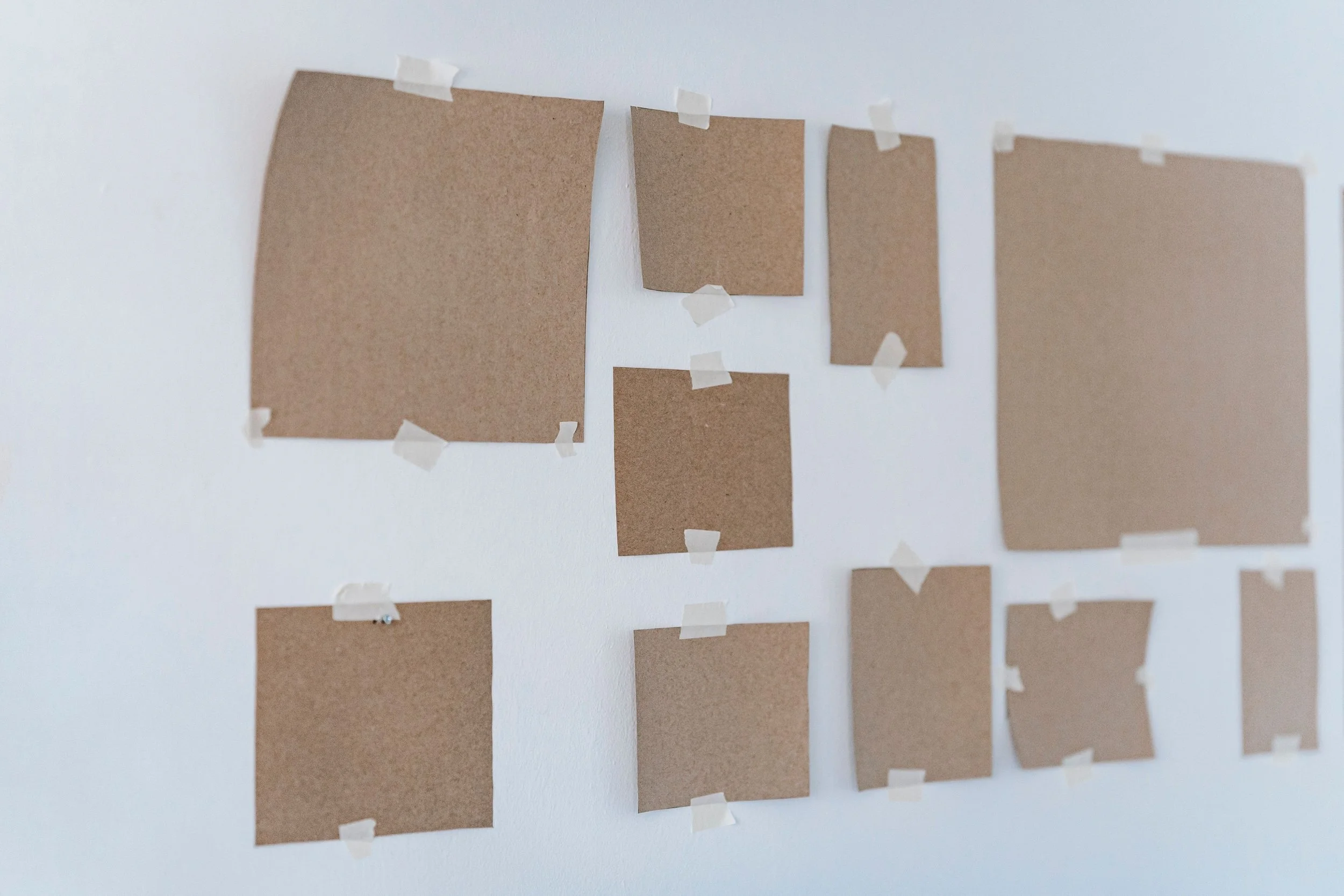
Get a roll or craft paper (available at most hardware stores) or newspaper and cut pieces to the size of each frame you want to install in your gallery wall. Using painters tape, place them on the wall starting with your hero piece, and move them around until the arrangement feels right.
Then, and this is important, live with it for a minute. Walk in and out of the room, look at it from different angles, look at it from the doorway, sit on the sofa, look at it from the hallway, take a photo. You’ll see things in a photo that you don't notice standing directly in front of the wall.
Not Every Wall Can or Should Be a Gallery Wall
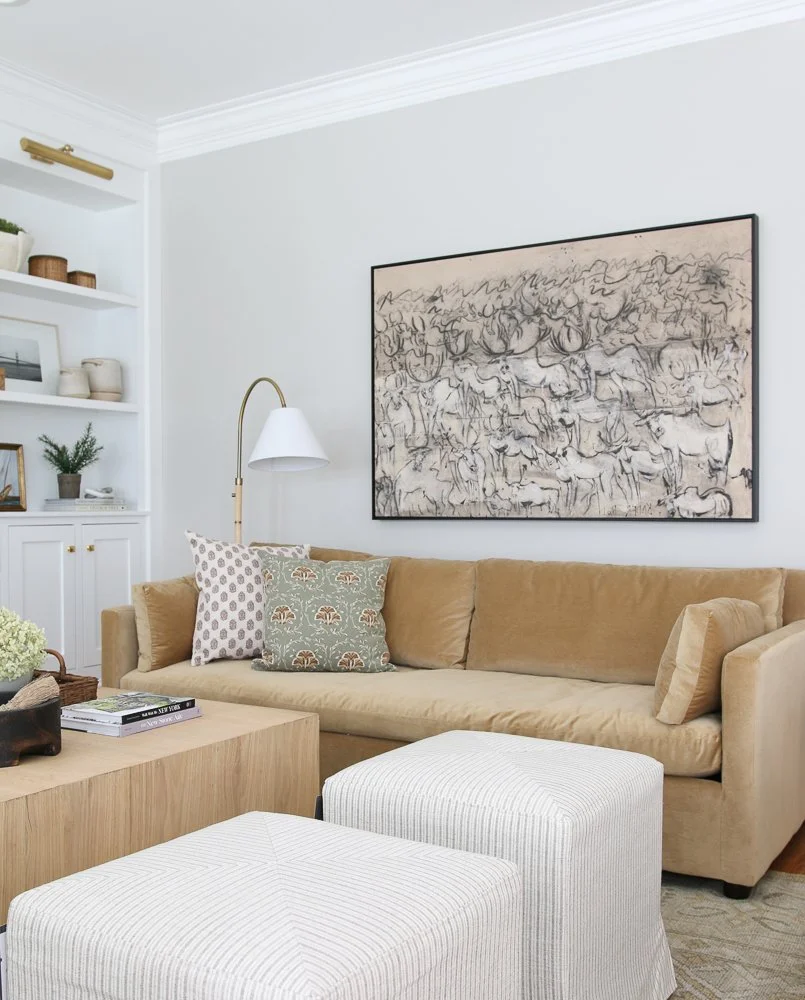
I know. I know. We just talked about gallery walls this whole time and now, what do you mean!? Hear me out, if every wall has a gallery wall, it’s no longer a feature. It’s no longer special. So unless gallery walls are very much your “thing”, the space can start to feel visually exhausting.
Try mixing your arrangements throughout the home:
One large piece in the living room.
A gallery wall in the stairwell.
A pair of smaller works in the bedroom.
A mirror in the entry.
A sculptural object on a narrow wall.
A leaning piece on a console.
The absence of art on a wall can be just as impactful if the architecture, paint, or wallpaper are already doing enough.
TLDR: Gallery walls may look effortless when done well, but it takes planning, patience, and work to get there.
A great gallery wall may look effortless when it’s finished, but I’ll let you in on a little secret: it takes some work. The best ones involve planning, editing, curation, and perhaps most importantly, patience. You may need to move things around, live with an arrangement for a few days, find that one missing piece, or admit that the artwork you thought belonged there actually looks much better somewhere else. That’s all part of the process.
And if you’ve reached the point where you’re staring at a pile of frames wondering where to even begin, you don’t have to figure it all out on your own. An interior designer can help you step back and see the bigger picture, what to keep, what to add, how to create balance, and how your gallery wall fits into the rest of your home. If you’re ready to invest in your space and want a professional eye to help bring it all together, I’d love to help.
Sometimes the best design decision is knowing when to put down the hammer and call in a pro.
